
Flip Flow Polyurethane Screens vs. Wire Mesh: Which is Best for Your Mineral Processing?
Struggling with <a href="/tag/screen" target="_blank"><strong>screen</strong></a> blinding and constant downtime? Choosing the right <a href="/tag/screen-media" target="_blank"><strong>screen media</strong></a> is critical for your plant's efficiency, but the options can be confusing.
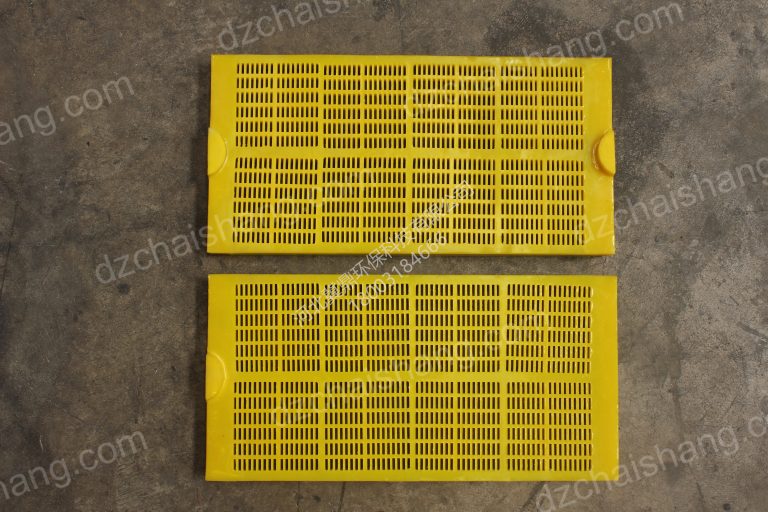
For screening wet, sticky, and fine materials, <a href="/tag/flip-flow" target="_blank"><strong>Flip Flow</strong></a> <a href="/tag/polyurethane-screens" target="_blank"><strong><a href="/tag/polyurethane" target="_blank"><strong>polyurethane</strong></a> <a href="/tag/screens" target="_blank"><strong>screens</strong></a></strong></a> are superior. Their unique self-cleaning action prevents blinding[^1] and ensures consistent throughput, a task where traditional <a href="/tag/wire-mesh" target="_blank"><strong>wire <a href="/tag/mesh" target="_blank"><strong>mesh</strong></a></strong></a> often fails[^2], leading to costly production halts and maintenance headaches.
The debate between polyurethane and wire mesh isn't just about which material is "better." It's about which tool is right for the job. I've spent years in the field, and I've seen plants waste a fortune by making the wrong choice. Making the right decision depends entirely on your specific material, your process, and your budget. Let's break it down so you can see which option makes the most sense for your operation and avoid those costly mistakes.
Why Choose Polyurethane Screens for Difficult Materials?
Is your current screen constantly blinding with wet ore? This stops production in its tracks and sends your maintenance costs through the roof. There is a better way.
<a href="/tag/polyurethane-flip-flow-screens" target="_blank"><strong>polyurethane <a href="/tag/flip-flow-screens" target="_blank"><strong>flip flow screens</strong></a></strong></a> use a unique trampoline-like motion[^3] to actively dislodge near-size particles. This self-cleaning action prevents blinding and ensures consistent throughput, especially with challenging materials that would clog standard wire mesh almost instantly. It’s a game-changer for efficiency.

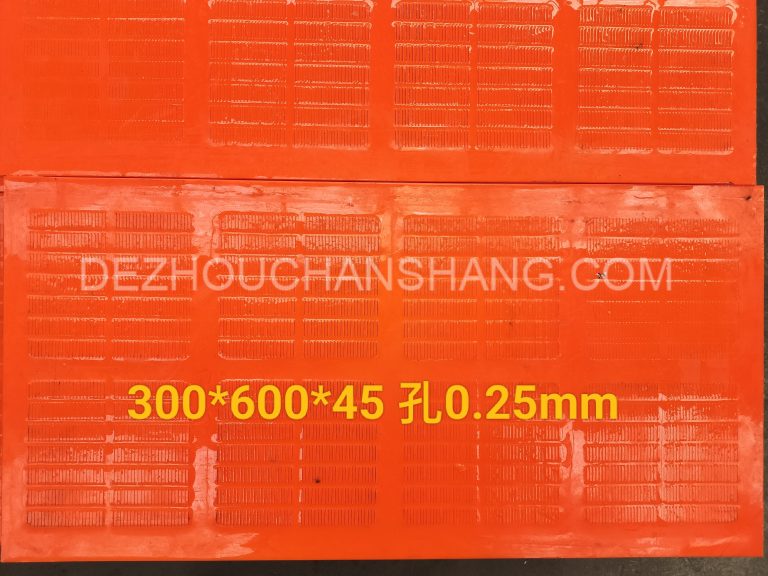
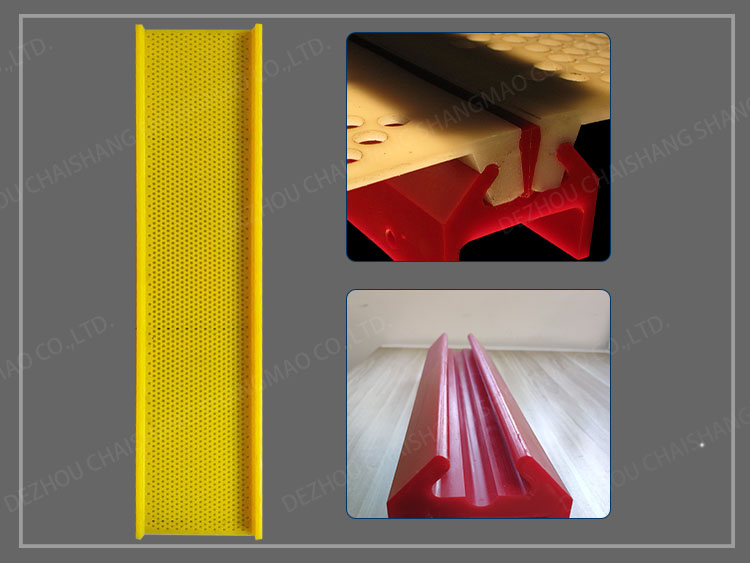
The magic of a flip flow screen is in its design. It's not just a single vibrating surface like a traditional screen. Instead, it has two screen frames working against each other. One frame holds the <a href="/tag/polyurethane-screen-mats" target="_blank"><strong>polyurethane screen mats</strong></a> in place while the other frame moves, causing the flexible mats to stretch and relax rapidly. This high-acceleration movement, like a trampoline, literally throws sticky material off the surface[^4], keeping the apertures clear. Rigid wire mesh simply can't do this. I've seen this in action with fine, damp iron ore that would turn a wire deck into a solid cake in minutes. With a flip flow screen, it just keeps running.
Here’s a simple breakdown:
| Feature | Flip Flow Polyurethane Screen | Traditional Wire Mesh |
|---|---|---|
| Action | Dynamic stretching (Trampoline effect) | Static vibration |
| Material | Flexible, elastic polyurethane | Rigid steel wire |
| Anti-Blinding | Excellent, self-cleaning | Poor with wet, sticky fines[^5] |
| Best For | Wet, sticky, fine, near-size materials | Dry, coarse, non-clogging materials |
| Wear Life | Very high | Varies, generally lower |
This translates directly to more uptime and a more consistent product, which is what we're all after.
When is Traditional Wire Mesh Still a Good Option?
Do you need a simple screening solution for dry materials without a huge upfront cost? High-tech screens can feel like overkill when your application is straightforward and budget is tight.
Wire mesh is an excellent choice for screening dry, abrasive, and non-clogging materials where budget is a primary concern. It offers a very high percentage of open area, which maximizes throughput, and is often the most economical option for simple sizing applications.

Let's not dismiss the workhorse of the industry. For decades, wire mesh has been the go-to for a reason. When you're dealing with dry, free-flowing materials like crushed stone or certain types of coarse ore, the main goal is to get as much correctly sized material through the screen as fast as possible. Wire mesh excels here because of its high open area[^6]. There's less frame and more hole, which means higher capacity. I've used it for primary scalping jobs where we just needed to separate large rocks, and it worked perfectly. It's also relatively cheap and easy to get. If your material isn't sticky and blinding isn't your main problem, wire mesh is a very practical and cost-effective choice. It all comes down to the application.
| Factor | Traditional Wire Mesh |
|---|---|
| Cost | Low initial investment |
| Open Area | High, allowing for maximum throughput |
| Best For | Dry materials, coarse sizing, scalping |
| Weaknesses | Blinds easily with wet or sticky fines |
| Installation | Generally requires tensioning, can be complex |
So, if your budget is the main driver and your material behaves well, wire mesh is a solid, reliable choice.
How Do You Compare the Total Cost of Ownership?
Are you only looking at the upfront price tag on your screens? This is a huge mistake that ignores the hidden costs of downtime, labor, and frequent replacements.
Polyurethane screens have a higher initial cost but often deliver a much lower total cost of ownership. Their incredible wear life means fewer replacements and less downtime, leading to huge savings in labor and, most importantly, lost production over time.

I learned this lesson the hard way. Early in my career, we always chose the cheapest wire mesh to save money upfront. We thought we were being smart. But we were changing out screens constantly, sometimes every few weeks on an abrasive application. Each change-out meant shutting down the entire line for hours. The cost of that lost production was massive[^7], far more than the cost of a better screen. When we finally switched to a polyurethane system, the screens lasted for months, sometimes over a year. Yes, the initial invoice was higher, but our real costs plummeted.
Let's look at the real math over a year:
| Cost Factor | Wire Mesh | Flip Flow Polyurethane |
|---|---|---|
| Initial Purchase | Low | High |
| Wear Life | 1 Unit (e.g., 1 month) | 3x - 8x (e.g., 3-8 months) |
| Replacements / Year | 12 | 2-4 |
| Downtime Cost | Very High (12 shutdowns) | Low (2-4 shutdowns) |
| Labor for Change-outs | High | Low |
| Efficiency (Wet Fines) | Low (constant blinding) | High (consistent flow) |
| Total Cost Over Time | Often much higher | Often much lower |
The purchase price is just the tip of the iceberg. You have to think about the total operational cost[^8]. For difficult, sticky, and fine materials, a polyurethane flip flow screen isn't an expense; it's an investment in uptime and stability.
Conclusion
The best screen choice depends on your material. But for wet, sticky fines, polyurethane flip flow screens are the key to unlocking stable and efficient production.
[^1]: "Flip Flow Screens | Applied-Technologies", https://www.trelleborg.com/en/applied-technologies/products-and-solutions/screening-media-systems/flip-flow-screens. The self-cleaning action of flip flow screens is designed to prevent blinding, as explained in technical resources. Evidence role: mechanism; source type: education. Supports: The self-cleaning action of flip flow screens prevents blinding and ensures consistent throughput.. Scope note: Effectiveness may vary depending on material type and operational settings. [^2]: "Solutions for Companies Struggling With Blinded Screen ...", https://elcanindustries.com/blog_posts/blinding-screen-meshes/. Traditional wire mesh screens are prone to blinding when used with wet and sticky materials, as documented in industry reports. Evidence role: mechanism; source type: research. Supports: Traditional wire mesh often fails when screening wet and sticky materials, leading to production halts and maintenance issues.. Scope note: The failure rate may depend on specific material and environmental conditions. [^3]: "Flip Flow Screens | Applied-Technologies", https://www.trelleborg.com/en/applied-technologies/products-and-solutions/screening-media-systems/flip-flow-screens. The trampoline-like motion of flip flow screens is a key design feature that enables self-cleaning and prevents blinding. Evidence role: mechanism; source type: education. Supports: Flip flow screens use a unique trampoline-like motion to actively dislodge near-size particles and prevent blinding.. Scope note: The description of the motion may vary slightly across different screen designs. [^4]: "Dynamic characteristics of LIWELL flip-flow screen panel ...", https://ui.adsabs.harvard.edu/abs/2021ChEnS.24516853C/abstract. Flip flow screens are designed to dislodge sticky material from the surface through dynamic motion, as described in technical manuals. Evidence role: mechanism; source type: education. Supports: Flip flow screens dislodge sticky material off the surface through dynamic motion, preventing clogging.. Scope note: Effectiveness may vary based on material stickiness and operational parameters. [^5]: "Best Practices for Screening Wet, Sticky & Fine Materials", https://power-equip.com/best-practices-for-screening-wet-sticky-or-fine-materials/. Wet, sticky fines are particularly challenging for traditional screen media, as documented in material handling studies. Evidence role: definition; source type: research. Supports: Wet, sticky fines are challenging for traditional screen media, making polyurethane screens a better option.. Scope note: The severity of the challenge may depend on the specific material properties. [^6]: "<a href="/tag/metal-wire-mesh" target="_blank"><strong>metal wire mesh</strong></a> & Wire Cloth In-Stock", https://www.mcnichols.com/wire-mesh. Wire mesh screens are known for their high open area, which maximizes throughput in dry and coarse material applications. Evidence role: definition; source type: encyclopedia. Supports: Wire mesh excels in dry and coarse material applications due to its high open area.. Scope note: The effectiveness is limited to dry and non-clogging materials. [^7]: "Raising the Child—Do Screen Media Help or Hinder ... - PMC", https://pmc.ncbi.nlm.nih.gov/articles/PMC9408637/. Lost production costs due to screen downtime can be significant, as highlighted in industry case studies. Evidence role: case_reference; source type: institution. Supports: The cost of lost production due to screen downtime can be massive, outweighing initial savings on cheaper screens.. Scope note: The magnitude of lost production costs depends on the scale of operations and downtime duration. [^8]: "Completing a Constructed Travel Worksheet for ...", https://media.defense.gov/2022/Jun/01/2003009902/-1/-1/0/PRE-TRAVEL-WORKSHEET-GUIDE.PDF. Total operational cost comparisons often show polyurethane screens as more cost-effective over time due to reduced downtime and replacements. Evidence role: statistic; source type: institution. Supports: Polyurethane screens often deliver a lower total operational cost compared to wire mesh screens.. Scope note: Cost-effectiveness depends on specific operational scenarios and material types.