
How Can Polyurethane Dewatering Screens Slash Your Operational Costs?
Struggling with wet materials and high operational costs? Frequent <a href="/tag/screen" target="_blank"><strong>screen</strong></a> replacements are eating into your profits, causing frustrating downtime and maintenance headaches that never seem to end.
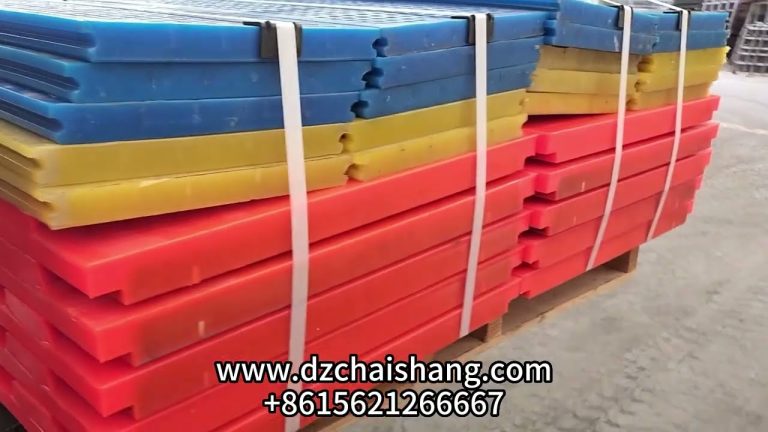
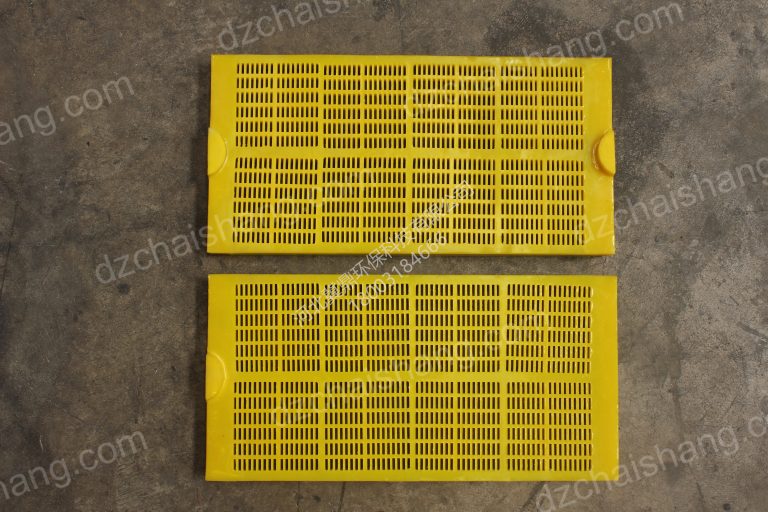
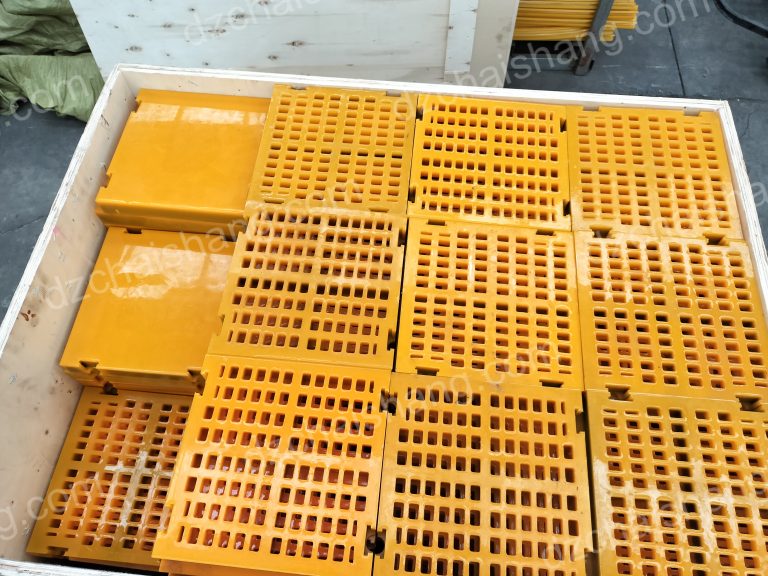
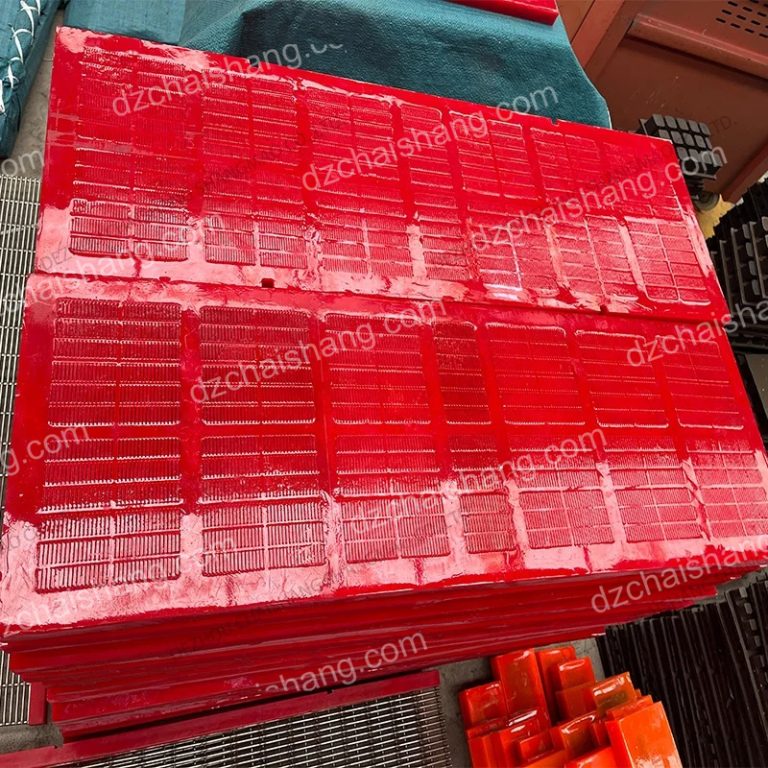
<a href="/tag/polyurethane" target="_blank"><strong>polyurethane</strong></a> dewatering <a href="/tag/screens" target="_blank"><strong>screens</strong></a> are your solution. They dramatically reduce material moisture, last up to 5 times longer than metal, and cut energy and maintenance costs, significantly boosting your overall operational efficiency and bottom line.

I've seen it happen time and again in mines and quarries. The initial sticker shock of <a href="/tag/polyurethane-screens" target="_blank"><strong>polyurethane screens</strong></a> can make some managers hesitate. But once they see the numbers and understand the long-term game, the decision becomes a no-brainer. It's not just about a screen; it's about a fundamental shift in how you manage costs and productivity. Let's break down exactly how this works, because the details are where the real savings are hidden.
Why Does a Longer Screen Lifespan Directly Translate to More Profit?
Tired of constant production halts for screen change-outs? Each hour of downtime is money lost, while the cost of replacement parts and labor keeps climbing.[^1]
Polyurethane screens boast a lifespan 3 to 8 times longer than traditional metal ones. This drastic reduction in replacements means less downtime, lower maintenance labor costs, and more consistent production, directly adding to your profitability.

I used to think the cost of a screen was just its purchase price. I was wrong. The real cost is hidden in the downtime. Think about it: when a screen fails, your entire line stops. You're not just paying for a new screen; you're paying for lost production, idle workers, and emergency maintenance labor. This is the true cost that many people forget to calculate.
Calculating the True Cost of Downtime
Let's do some simple math. If your plant produces $10,000 worth of material per hour, and a screen change takes 2 hours, that's $20,000 in lost revenue every time a cheap <a href="/tag/metal-screen" target="_blank"><strong>metal screen</strong></a> breaks. If you're replacing screens every couple of months, you can see how quickly this adds up over a year. It's a massive, recurring financial drain.
The Material Science Advantage
Polyurethane's superior wear and tear resistance means you can go months, even years, without this disruption. This isn't just a small improvement; it's a game-changer for your production schedule and budget. The material itself is engineered to resist abrasion, impact, and corrosion from heavy, sharp, and wet materials, which is why it outlasts steel so dramatically.
| Feature | Traditional Metal Screen | Polyurethane Dewatering Screen |
|---|---|---|
| Average Lifespan | 1-3 Months | 12-24 Months |
| Replacements/Year | 4-12 times | 0-1 time |
| Est. Annual Downtime | 8-24 hours | 0-2 hours |
| Impact on Profit | Significant Loss | Minimal Impact |
Fewer change-outs also mean your maintenance crew is safer and can focus on more proactive tasks instead of constantly reacting to breakdowns.
How Do Polyurethane Screens Cut Hidden Energy and Logistics Costs?
Are energy bills and shipping expenses spiraling out of control? Wet, heavy materials are costing you more to dry and transport than you might realize every single day.
Polyurethane screens achieve superior dewatering, producing a drier final product.[^2] This can eliminate the need for secondary drying, saving energy. Lighter, drier material also means significantly lower shipping weights and reduced logistics costs.[^3]

This is one of the most overlooked benefits, but it's where I see clients find huge, unexpected savings. It's a ripple effect that touches multiple parts of your operation, starting with the screen itself and ending with the final delivery truck.
The Power of Efficient Dewatering
The smooth, non-blinding surface of a polyurethane screen allows water to pass through much more efficiently than a rusted or worn metal screen. This means the material coming off your screen is drier. For some of my clients, this has completely eliminated the need for a secondary drying process, which is a massive energy hog. You're saving thousands on fuel or electricity right there.
From Plant to Customer: A Ripple Effect of Savings
But the savings don't stop. Because the <a href="/tag/polyurethane-screen-panels" target="_blank"><strong>polyurethane <a href="/tag/screen-panels" target="_blank"><strong>screen panels</strong></a></strong></a> themselves are much lighter than steel, the screening machine doesn't have to work as hard. The motors draw less power, and there's less wear and tear on the machine's structure and bearings. It’s a double win for your energy bill. Then, when it's time to ship your product, every percentage point of moisture you removed is weight you don't have to pay to transport. Over thousands of tons, this adds up to incredible savings on freight.
| Cost Area | Impact of Polyurethane Screens | Estimated Savings |
|---|---|---|
| Energy (Drying) | Reduces/Eliminates need for secondary drying | High |
| Energy (Screen Operation) | Lighter screen weight reduces motor load | Medium |
| Logistics (Shipping) | Drier product means lower shipping weight | High |
| Machine Maintenance | Reduced stress on screen box and bearings | Medium |
Is the Higher Upfront Cost of Polyurethane Screens Actually a Smart Investment?
Worried about the initial price tag of polyurethane screens? It's easy to stick with cheaper metal options, even if they fail more often and cost you more over time.
Absolutely. While the initial purchase price is higher, the total cost of ownership is far lower. The massive savings from reduced downtime, maintenance, energy, and logistics far outweigh the upfront investment, delivering a clear return.

Let’s talk about the elephant in the room: the price. Yes, a polyurethane screen panel costs more than a steel one. If you only look at the purchase order, it's an easy comparison to make. But that's short-term thinking that can trap you in a cycle of high costs and low efficiency.
Thinking in "Total Cost of Ownership"
The smart operators I work with think in terms of "Total Cost of Ownership" (TCO). This includes the initial price plus all the costs associated with using that part over its entire life: maintenance labor, downtime losses, energy consumption, and replacement frequency. When you run the numbers this way, polyurethane wins every time. It turns a simple component into a financial tool.
The Value of Modularity
Another huge factor is the modular design. With a large steel screen, if one section gets damaged, you often have to replace the whole thing. With <a href="/tag/modular-polyurethane-panels" target="_blank"><strong>modular <a href="/tag/polyurethane-panels" target="_blank"><strong>Polyurethane Panels</strong></a></strong></a>, you just swap out the one or two damaged sections.[^4] It's faster, cheaper, and creates less waste. This flexibility is critical in a high-wear environment. You're not just buying a screen; you're investing in a more efficient, resilient, and profitable system for your entire operation.
| Cost Factor | Metal Screen (Example) | <a href="/tag/pu-screen" target="_blank"><strong>pu screen</strong></a> (Example) |
|---|---|---|
| Initial Cost | $2,000 | $6,000 |
| Replacements (Labor + Parts) | 6 x $2,500 = $15,000 | 0 x $0 = $0 |
| Downtime Cost | 12 hrs x $5k/hr = $60,000 | 0 hrs x $0 = $0 |
| Extra Energy/Logistics | $5,000 | $0 |
| Total Annual Cost | $82,000 | $6,000 |
Conclusion
In short, switching to polyurethane screens isn't a cost, it's an investment. It cuts downtime, saves energy, and directly boosts your bottom line for long-term, sustainable profitability.
[^1]: "The impact of business downtime: How to minimize cost", https://www.connectwise.com/resources/bcdr-guide/ch1-impacts-of-business-downtime. This source discusses the financial impact of downtime in industrial operations, supporting the claim that downtime leads to significant losses. Evidence role: statistic; source type: research. Supports: Downtime in industrial operations results in financial losses and increased costs for replacement parts and labor.. [^2]: "10 Powerful Polyurethane Screen Panel Benefits for High ...", https://kesseparation.com/product/polyurethane-screen-panel/. This source explains the dewatering efficiency of polyurethane screens, supporting their ability to produce drier materials. Evidence role: mechanism; source type: research. Supports: Polyurethane screens are more effective at dewatering than traditional screens, leading to drier final products.. [^3]: "Drying resin for energy and material savings", https://www.plasticstoday.com/resin-pricing/drying-resin-for-energy-and-material-savings. This source discusses the impact of material moisture levels on shipping costs, supporting the claim that drier materials reduce logistics expenses. Evidence role: mechanism; source type: research. Supports: Drier materials from polyurethane screens reduce shipping weights and logistics costs.. [^4]: "The Real Advantages of <a href="/tag/modular-polyurethane-screen-panels" target="_blank"><strong><a href="/tag/modular-polyurethane-screen" target="_blank"><strong>modular polyurethane screen</strong></a> panels</strong></a> ...", https://www.mambascreens.com/blog/6.html. This source explains the modular design of polyurethane screens and its advantages in maintenance efficiency. Evidence role: mechanism; source type: research. Supports: Modular polyurethane panels allow for easier and cost-effective maintenance compared to traditional screens..