
How Do Dewatering Polyurethane Screen Panels Support OEM/ODM Replacement Programs?
Your <a href="/tag/screen-panels" target="_blank"><strong><a href="/tag/screen" target="_blank"><strong>screen</strong></a> panels</strong></a> are worn out, but the machine is fine. Finding a perfect replacement feels impossible, risking downtime and costs you can't afford.
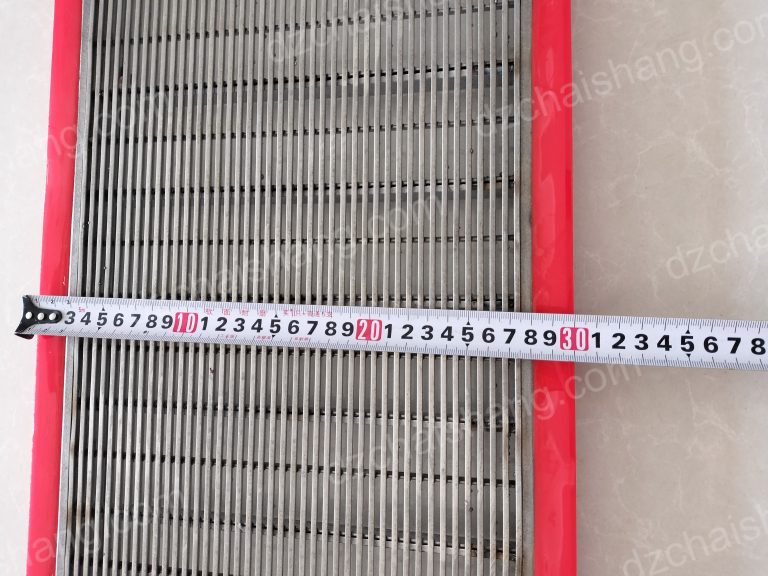
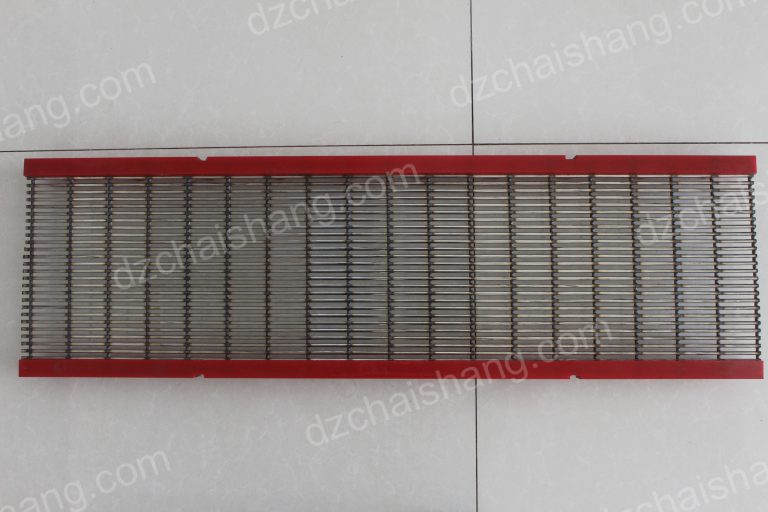
A successful OEM/ODM replacement program for dewatering <a href="/tag/polyurethane-screen-panels" target="_blank"><strong><a href="/tag/polyurethane-screen" target="_blank"><strong><a href="/tag/polyurethane" target="_blank"><strong>polyurethane</strong></a> screen</strong></a> panels</strong></a> focuses on more than just copying dimensions. It involves redesigning panels based on your existing setup, installation method, and specific operational needs to ensure a perfect fit, durability, and optimal performance without any compromises.

I've been in this business for over two decades, and I see this problem all the time. A customer calls me, frustrated. Their screening machine, which is a major investment, works perfectly well. But the screen panels, the parts that do all the hard work, are completely worn out. They think finding a replacement should be as simple as ordering a new part, but it's rarely that easy. This is where a true OEM/ODM partnership proves its value. It's about so much more than just matching a part number from a catalog. It's about understanding the entire system to deliver a solution that works. Let's dig into what really goes into a successful replacement program.
Why Is a Direct "Copy" of Your Old Screen Panel Often Not Enough?
You found a supplier to copy your old panel. But what if it doesn't fit or breaks down quickly? You have just wasted valuable time and money on a failed replacement.
[Simply copying an old, worn panel ignores critical factors.](https://changyimining.com/info-detail/vibrating-screen-maintenance-troubleshooting-guide-for-<a href="/tag/mining" target="_blank"><strong>mining</strong></a>-plants)[^1] It doesn't account for wear and tear that alters dimensions, nor does it consider your specific working conditions. A true replacement solution requires re-engineering for a perfect fit, improved durability, and optimized performance for your site.

When a customer sends us a worn-out panel to replicate, my first thought is always about the hidden problems. Just measuring a used panel and making a new one based on those dimensions is a common shortcut, but it’s a recipe for failure. The original panel has been subjected to immense stress, vibration, and abrasion. Its dimensions have likely changed. The installation points might be slightly warped or stressed. Simply making an exact "copy" of this distorted part often leads to serious installation problems down the line. I've seen cases where a panel that's just a few millimeters off won't seat correctly on the screen deck. This can cause destructive vibrations or prevent the panel from being secured at all. It's a frequent mistake I see from suppliers who focus only on the object itself—the panel—but completely ignore how it must integrate with the larger machine. They miss the bigger picture, and the customer pays the price in downtime.
Another critical area we have to manage is the screen's aperture design. A customer might understandably ask for a higher open area, thinking it will boost their throughput. But this isn't always the best path forward. We have to carefully consider the trade-offs involved.
| Factor | Higher Open Area (Simple Copy) | Optimized Design (Re-Engineered) |
|---|---|---|
| Throughput | May increase initially | Balanced with screening efficiency |
| Structural Strength | Significantly reduced | Maintained for long-term durability |
| Wear Life | Much shorter, prone to breaking | Extended to reduce change-outs |
| Installation Fit | Risk of stress fractures | Secure and stable for safe operation |
As the table shows, blindly maximizing the open area can severely weaken the panel's structure, making it fail much sooner. My job in an ODM program is to talk with the customer, understand their goals, and then engineer a panel that finds the perfect balance between throughput, efficiency, and the durability needed for their specific material and load conditions.
How Does a True OEM/ODM Partner Approach Panel Replacement?
You need a replacement panel that just works. But many suppliers only offer standard parts. This leaves you worrying about compatibility issues and performance drops that could halt your operations.
A true OEM/ODM partner doesn't just sell you a panel; they provide a comprehensive solution. This involves a detailed analysis of your original equipment, installation structure, and operational data. We then re-engineer a custom panel that guarantees a perfect fit, enhances durability, and improves your screening efficiency.

Our process for any replacement project is much more involved than just taking an order and shipping a box. It always begins with a detailed conversation. When a client needs a replacement, I ask for more than just the old, broken panel. I need to see the engineering drawings if they have them, clear photos of the screen deck where the panel sits, and a full understanding of the installation method. What kind of material are they screening? Is it wet or dry? What's the feed rate and the size of the material? These details are absolutely crucial. We aren't just replacing a part; we are solving a complex operational problem. This deep dive at the beginning helps us identify opportunities for improvement. Instead of just replicating a design that may have had its own flaws, we can engineer a new panel that is genuinely better than the original.
Once we have gathered all this critical information, our engineering team gets to work. This is the heart of our OEM/ODM service. We don't just copy; we re-engineer. We use the data to create a new design from the ground up, tailored to the client's specific situation.
| Analysis Point | Our Engineering Action | The Benefit for You |
|---|---|---|
| Original Dimensions | We verify them against the machine's specifications. | This guarantees a perfect, drop-in fit. |
| Installation Method | We design compatible and robust fastening systems. | This ensures a simple and secure installation process. |
| Aperture & Open Area | We optimize the design for your material and goals. | This balances throughput with panel lifespan. |
| Working Conditions | We select the precise polyurethane formula. | This maximizes wear resistance and overall durability. |
This systematic approach ensures that the final product you receive is not just a replacement. It is a genuine upgrade. It fits your machine perfectly, it lasts longer, and it performs better because it has been specifically engineered for that exact spot on that exact machine, doing that exact job. This is the difference between a parts supplier and a solutions partner.
What Makes Polyurethane the Ideal Material for Custom Replacement Panels?
Metal and rubber panels often wear out too fast, causing frequent and costly downtime. You need a durable, reliable solution but are unsure which material is best for your custom needs.
Polyurethane is perfect for custom OEM/ODM panels because of its incredible versatility.[^2] It can be molded into precise, complex shapes for a perfect fit. Its chemical formulation can also be adjusted to maximize abrasion resistance, impact strength, and flexibility, ensuring a longer lifespan and better performance.

One of the biggest reasons I stand by polyurethane for these replacement programs is its unmatched design flexibility. Think about metal—it's rigid and very difficult to form into complex shapes without expensive tooling. Polyurethane, on the other hand, starts as a liquid. This fundamental difference means we can pour it into custom-made molds of almost any configuration you can imagine. This allows us to create panels with intelligently designed features, like tapered apertures that prevent material from getting stuck, or to build specific fastening systems directly into the panel itself. We can also add extra material to reinforce high-wear areas. This open-pour molding process is essential for OEM/ODM projects because it lets us perfectly match the unique requirements of a customer's existing screen deck without any compromises. It’s not about trying to force a standard part to fit; it's about creating a truly bespoke part from scratch that is designed for its purpose.
Beyond just the shape, we can also customize the properties of the polyurethane material itself. This is a true game-changer. Not all mining operations are the same. Some sites deal with highly abrasive fine sand, which acts like sandpaper. Others process large, heavy, high-impact rock that can shatter lesser materials.
| Your Application Need | Our Polyurethane Customization | The Result for Your Operation |
|---|---|---|
| High Abrasion (e.g., Sand) | We use a harder polyurethane formula (High Durometer). | This extends the panel's wear life significantly. |
| High Impact (e.g., Large Rock) | We use a softer, more resilient formula. | This absorbs energy and prevents cracking or tearing. |
| Wet Screening Applications | We add hydrolysis-resistant compounds.[^3] | This stops the material from degrading when exposed to water. |
| Sticky or Near-Size Material | We use a flexible formula with tapered holes. | This creates a self-cleaning effect, reducing pegging and blinding.[^4] |
This ability to fine-tune the polyurethane chemistry means the replacement panel isn't just a physical copy. It's functionally superior and purpose-built to conquer the specific challenges of your job site.
Conclusion
In the end, a successful OEM/ODM replacement program is a partnership. It's about re-engineering a solution that fits perfectly, lasts longer, and ultimately improves your operational efficiency.
[^1]: "<a href="/tag/vibrating-screen" target="_blank"><strong>vibrating screen</strong></a> Maintenance & Troubleshooting Guide for ...", https://changyimining.com/info-detail/vibrating-screen-maintenance-troubleshooting-guide-for-mining-plants. This source explains how wear and tear can alter the dimensions and structural integrity of screen panels, making direct replication ineffective. Evidence role: mechanism; source type: research. Supports: Simply copying an old screen panel does not account for wear and tear that alters dimensions or operational conditions.. [^2]: "Polyurethane Applications", https://www.americanchemistry.com/industry-groups/center-for-the-polyurethanes-industry-cpi/applications-benefits/polyurethane-applications. This source discusses the versatility of polyurethane in industrial applications, including its ability to be molded into complex shapes and customized for specific properties. Evidence role: expert_consensus; source type: encyclopedia. Supports: Polyurethane is highly versatile and can be customized for specific industrial applications, making it ideal for OEM/ODM panels.. Scope note: The source may focus on general industrial uses rather than screen panels specifically. [^3]: "Degradation mechanism and performance of polyurethane mixture ...", https://www.sciencedirect.com/science/article/pii/S0950061825026182. This source discusses the use of hydrolysis-resistant compounds in polyurethane to prevent degradation in wet conditions. Evidence role: mechanism; source type: research. Supports: Adding hydrolysis-resistant compounds to polyurethane prevents degradation in wet conditions.. Scope note: The source may focus on general applications rather than specific uses in screen panels. [^4]: "Industrial Screen Clogging: Causes & Prevention Solutions", https://yuanjingmachinery.com/de/blog/industrial-screen-clogging-causes-prevention/. This source explains how tapered apertures in screen panels create a self-cleaning effect, reducing material clogging. Evidence role: mechanism; source type: education. Supports: Tapered apertures in screen panels create a self-cleaning effect, reducing material clogging.. Scope note: The source may not specifically address <a href="/tag/polyurethane-panels" target="_blank"><strong>Polyurethane Panels</strong></a> but provides general insights into aperture design.