
How Do Polyurethane Screen Panels Affect Classification Efficiency?
Struggling with poor product quality and constant downtime? These issues often stem from inefficient screening, eating into your profits and delaying orders. The right <a href="/tag/screen-panel" target="_blank"><strong><a href="/tag/screen" target="_blank"><strong>screen</strong></a> panel</strong></a> can change everything.
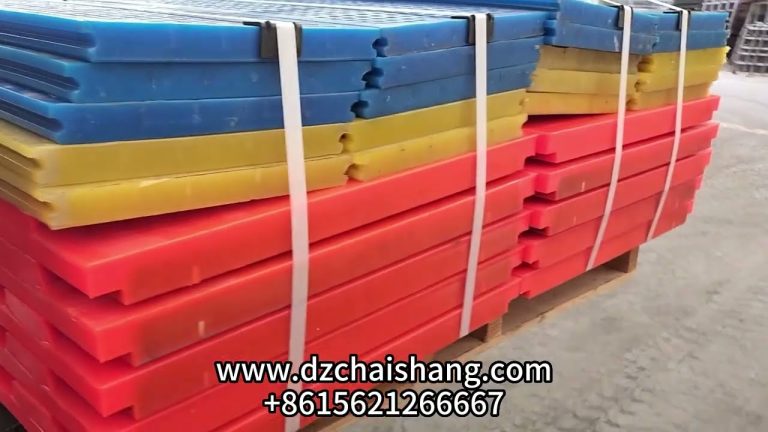
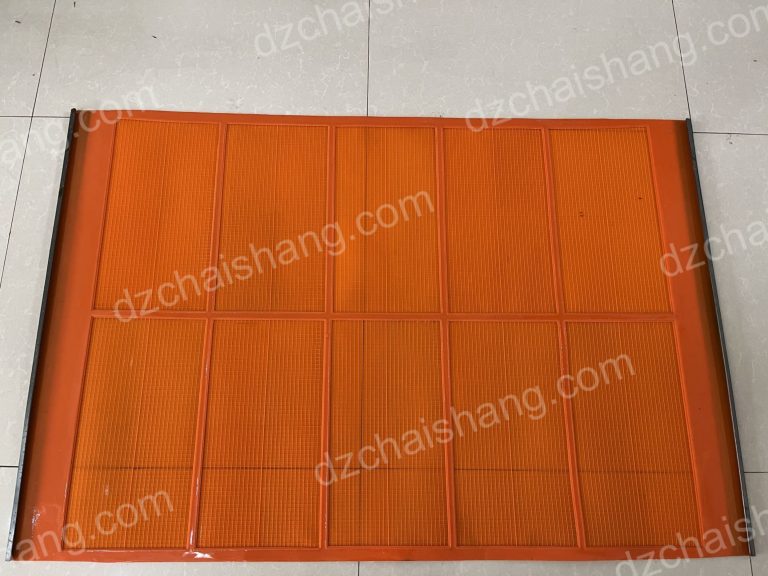
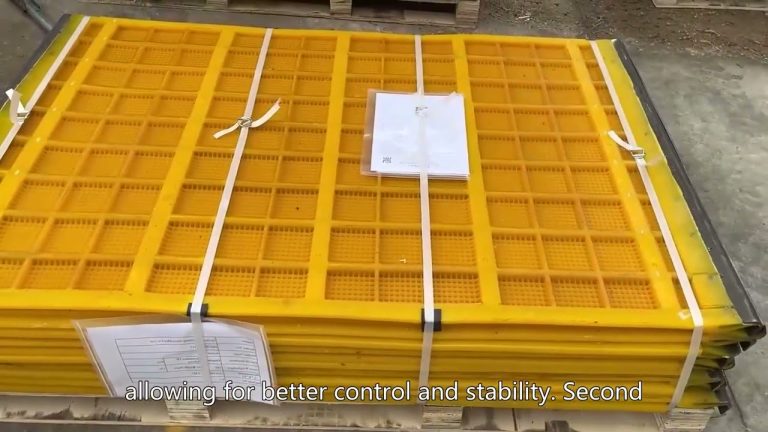
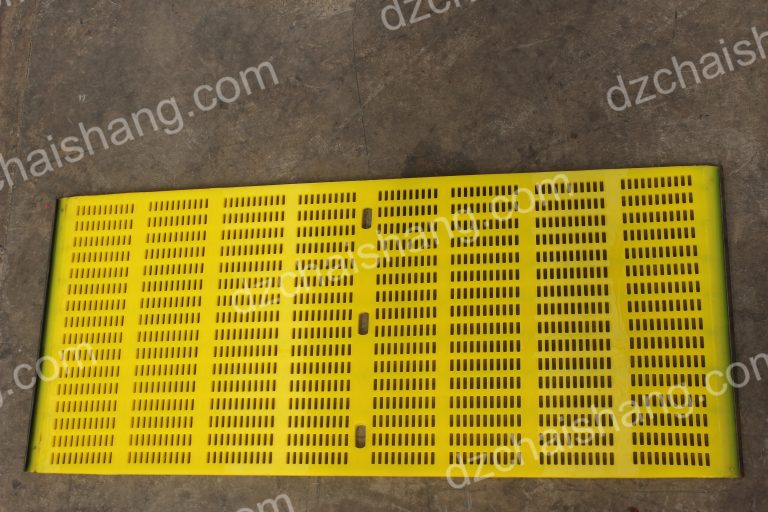
<a href="/tag/polyurethane-screen-panels" target="_blank"><strong><a href="/tag/polyurethane-screen" target="_blank"><strong><a href="/tag/polyurethane" target="_blank"><strong>polyurethane</strong></a> screen</strong></a> panels</strong></a> directly boost classification efficiency in two key ways. They prevent clogging to ensure continuous material flow and maintain a stable aperture size over time. This results in consistent particle sizing, less downtime for cleaning, and a higher-quality final product.

It's one thing to hear that <a href="/tag/polyurethane-screens" target="_blank"><strong>polyurethane <a href="/tag/screens" target="_blank"><strong>screens</strong></a></strong></a> are better, but it's another to understand why. The secret lies in the unique properties of the material itself. I've seen firsthand in many operations how a simple switch in <a href="/tag/screen-media" target="_blank"><strong>screen media</strong></a> can transform an entire plant's output. Once you see how these features work, you'll understand why so many managers are making the change. Let's dig into the details to see how you can improve your own classification efficiency.
Why Don't Polyurethane Screens Clog as Much?
Clogged screens are a production killer. The constant need to stop everything for manual cleaning is frustrating and expensive, directly hitting your bottom line and causing major operational headaches.
Polyurethane's natural elasticity is the key.[^1] As the screen vibrates, the material flexes slightly. This constant movement acts as a self-cleaning mechanism, dislodging near-size particles before they can get stuck. This keeps apertures open and material flowing freely through the screen.

Let's break this down further because it's more than just the material being "bouncy." It’s about smart engineering combined with material science. In my experience, this is the feature that operators appreciate the most on a day-to-day basis.
The Power of Elasticity and Tapered Holes
The self-cleaning action I mentioned is often called a "trampoline effect." When a near-size particle tries to wedge itself into an aperture, the vibration of the screening machine causes the flexible polyurethane membrane to flex and rebound. This movement literally pops the particle back out, keeping the hole clear for the next particle to be sized correctly. I've visited sites where a <a href="/tag/metal-screen" target="_blank"><strong>metal screen</strong></a> would be completely blinded with wet, sticky material in just an hour. After they switched, the polyurethane screen kept running clear for an entire shift, with no intervention needed.
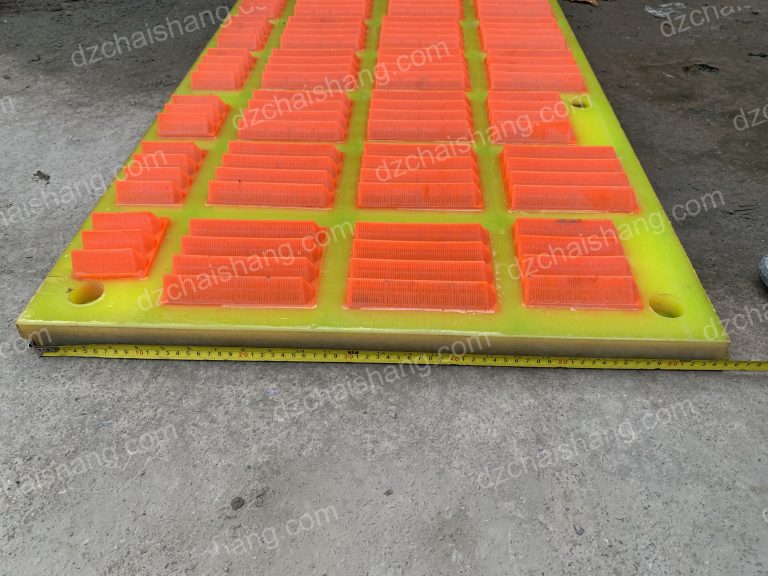
Another critical design feature is the use of tapered, or conical, holes.[^2] The opening on the top surface is slightly smaller than the opening on the bottom. This means that any particle that manages to pass through the top has a clear, widening path to exit. There's no "edge" for it to get stuck on. This simple design trick drastically reduces the chances of pegging and blinding, which are common headaches with <a href="/tag/woven-wire-mesh" target="_blank"><strong>Woven <a href="/tag/wire-mesh" target="_blank"><strong>wire <a href="/tag/mesh" target="_blank"><strong>mesh</strong></a></strong></a></strong></a>.
Clogging Resistance: A Quick Comparison
| Material | Clogging Tendency | Primary Reason |
|---|---|---|
| Polyurethane | Low | Elasticity creates a self-cleaning effect; tapered holes aid particle release.[^3] |
| Woven Wire Mesh | High | Rigid wires provide many points for particles to get wedged (pegging). |
| Perforated Steel | Medium | Rigid surface, but smooth holes can help. Still prone to blinding with wet/sticky material. |
| Rubber | Low-Medium | Has some elasticity, but often less than polyurethane and can be less precisely molded. |
When you combine this anti-clogging benefit with less downtime, the impact on your overall classification efficiency is huge. You're not just saving time on cleaning; you're processing more material correctly per hour, every hour. This leads to more predictable output and better planning.
How Do <a href="/tag/polyurethane-panels" target="_blank"><strong>Polyurethane Panels</strong></a> Keep Sizing So Consistent?
Nothing is worse than producing a whole batch of material only to find it's out of spec. Inconsistent particle sizing leads to rejected products, unhappy customers, and costly rework.
The answer is superior wear resistance. Polyurethane is an incredibly tough material that resists abrasion far better than metal. This means the screen apertures don't enlarge or change shape quickly, ensuring your particle classification remains accurate and stable for a much longer operational life.

This is probably the most important factor for anyone concerned with final product quality and profitability. An inconsistent cut size is a direct hit to your revenue. Let's look at the science behind why polyurethane holds its shape so well.
The Science of Extreme Durability
When we talk about wear resistance, we're talking about how well a material stands up to the constant scraping and impact of abrasive materials like sand, gravel, and crushed ore. Metal screens, especially woven wire, wear down over time.[^4] The wires get thinner, and the apertures get larger. This is a gradual process that can be hard to spot until your quality control department flags a problem. We call this "running coarse", and it's a major cause of out-of-spec product that can lead to entire shipments being rejected.
Polyurethane, on the other hand, is a high-performance polymer. Its molecular structure is designed to absorb and dissipate energy from impacts. Instead of chipping or wearing away like a rigid material, it flexes and returns to its original shape. This is why a polyurethane screen can last 3 to 8 times longer than a steel screen in the same application. The holes maintain their precise, manufactured size for a huge portion of the panel's life, which is something metal simply cannot do.
Lifespan and Its Impact on Sizing
| Feature | Polyurethane Screen | Steel Screen |
|---|---|---|
| Typical Lifespan | 12-24+ Months | 2-6 Months |
| Aperture Stability | High (maintains size for most of its life) | Low (wears and enlarges steadily over time) |
| Risk of "Running Coarse" | Very Low | High |
| Replacement Frequency | Low | High |
This long-term stability is what guarantees consistent classification efficiency.[^5] You can set up your screening plant and trust that the product coming out on day 300 will have the same particle size distribution as the product from day 1. This reliability means a higher yield of on-spec material, fewer rejections, and ultimately, a more profitable operation. I remember a client in the aggregate business who was replacing their metal screens every six weeks like clockwork. After switching to polyurethane, they went over a year before the first replacement, and their product consistency complaints from customers dropped to zero.
Conclusion
Polyurethane panels improve classification efficiency by resisting clogging and maintaining aperture size.[^6] This means more uptime, consistent product quality, and better overall performance for your screening operation.
[^1]: "Polyurethane <a href="/tag/screen-panels" target="_blank"><strong>screen panels</strong></a> Market Share, Trends", https://www.transparencymarketresearch.com/polyurethane-screen-panels-market.html. This source explains how polyurethane's elasticity contributes to its self-cleaning properties in screening applications. Evidence role: mechanism; source type: research. Supports: Polyurethane's natural elasticity prevents clogging by acting as a self-cleaning mechanism during vibration.. [^2]: "Polyurethane Screen Panels Rubbers", https://www.911metallurgist.com/blog/polyurethane-screen-panels-rubber/. This source explains how tapered holes in polyurethane screens reduce clogging and improve material flow. Evidence role: mechanism; source type: research. Supports: Tapered holes in polyurethane screens reduce clogging and improve material flow.. [^3]: "Screen Blinding & Clogging in Milling | Causes & Prevention", https://www.quadro-mpt.com/news-and-events/screen-blinding-and-clogging-causes-prevention?hs_amp=true. This source explains how elasticity and tapered holes in polyurethane screens contribute to reduced clogging. Evidence role: mechanism; source type: research. Supports: Elasticity and tapered holes in polyurethane screens contribute to reduced clogging and improved material flow.. [^4]: "What Is an Aperture? Definition", https://www.screenerking.com/pages/glossary-aperture?srsltid=AYCX9vKWBLmGprpvwmLJmAP2eR4OywzYGh0nAc7EwiOWw_6Dt6rWavhg. This source provides data on the wear rates of metal screens in industrial applications. Evidence role: statistic; source type: research. Supports: Metal screens, especially woven wire, wear down over time, leading to enlarged apertures and inconsistent sizing.. Scope note: Wear rates may vary based on material type and operational conditions. [^5]: "What Are Polyurethane Screen Panels and How They ...", https://pengdepu.com/polyurethane-screen-panels-screening-efficiency/. This source discusses the role of material stability in ensuring consistent classification efficiency over time. Evidence role: mechanism; source type: research. Supports: Long-term stability of polyurethane screens guarantees consistent classification efficiency.. Scope note: The stability may depend on specific operational conditions and material types. [^6]: "How polyurethane <a href="/tag/modular-panels" target="_blank"><strong>modular panels</strong></a> affect screening efficiency", https://www.facebook.com/majorflexmat/posts/polyurethane-modular-panels-can-be-quiet-and-durable-but-they-often-trade-open-a/1725609138984146/. This source provides an overview of how polyurethane panels enhance classification efficiency in screening operations. Evidence role: general_support; source type: encyclopedia. Supports: Polyurethane panels improve classification efficiency by resisting clogging and maintaining aperture size..