
How Do Polyurethane Screen Panels Affect Hydrocyclone Wear?
<a href="/tag/hydrocyclone" target="_blank"><strong>hydrocyclone</strong></a> wear is a constant, costly problem in mineral processing. These unexpected failures lead to expensive downtime and production losses. The solution might be hiding in your upstream screening process.
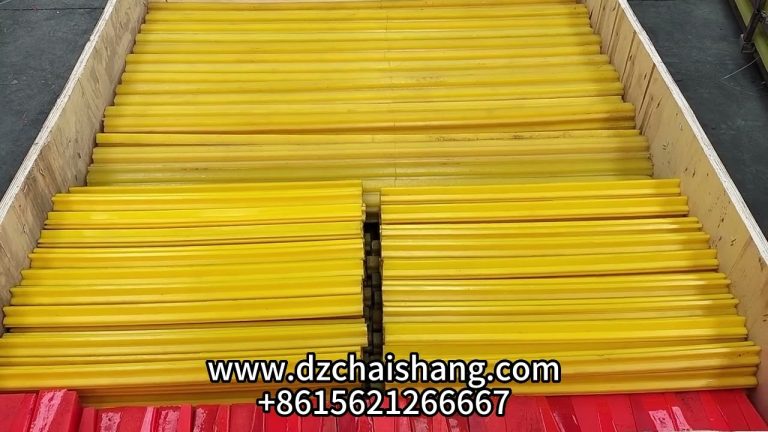
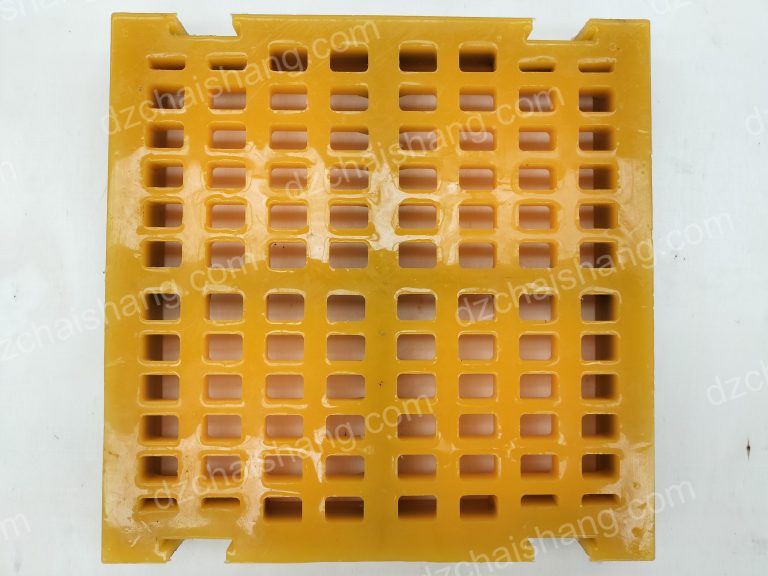
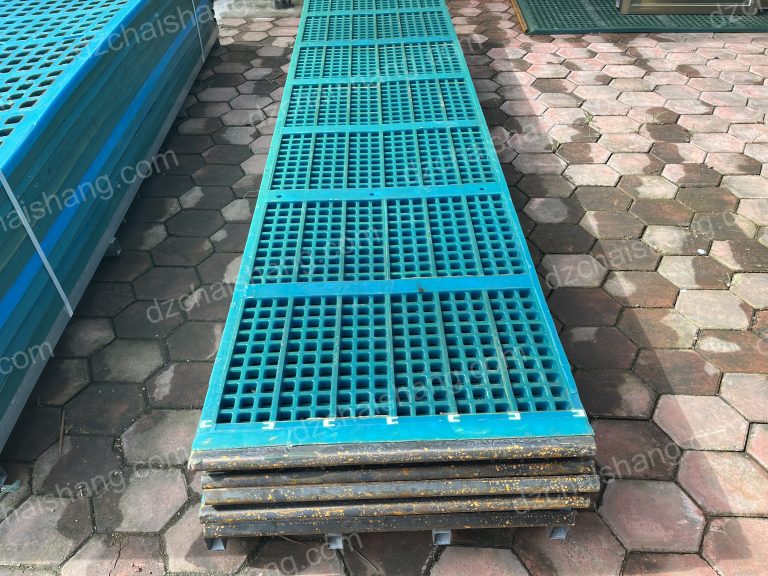
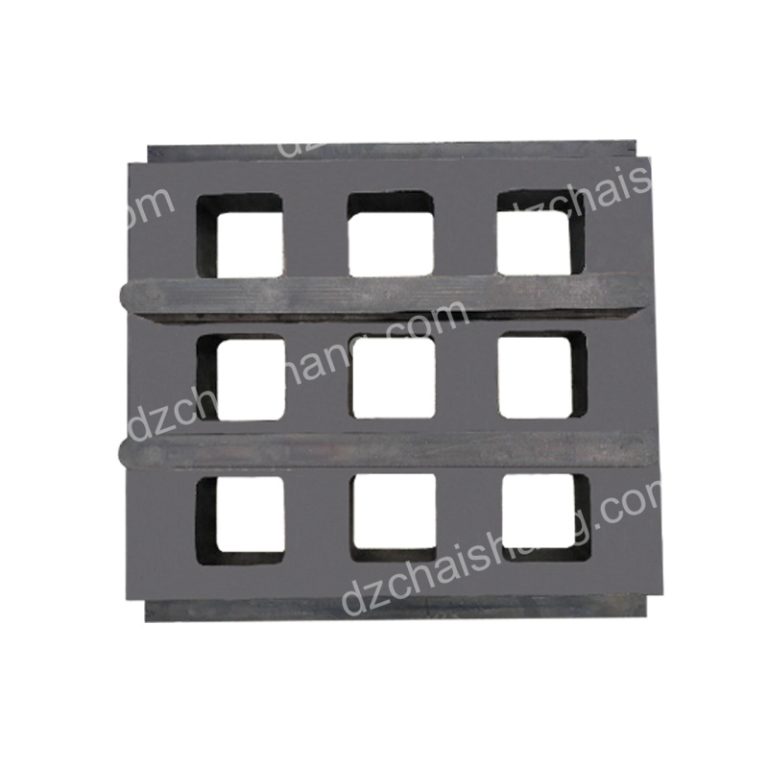
<a href="/tag/polyurethane" target="_blank"><strong>polyurethane</strong></a> (PU) <a href="/tag/screen-panels" target="_blank"><strong><a href="/tag/screen" target="_blank"><strong>screen</strong></a> panels</strong></a> significantly reduce hydrocyclone wear by improving the quality of the feed slurry.[^1] Their anti-blinding and self-cleaning properties prevent oversized particles from entering the cyclone, which protects the underflow outlet from blockages and ensures wear on the cone liners is slow and uniform.

It might seem strange that a screen panel could have such a big impact on a completely different piece of equipment downstream. But in a processing circuit, everything is connected. The material leaving your <a href="/tag/vibrating-screen" target="_blank"><strong>vibrating screen</strong></a> directly becomes the material entering your hydrocyclone. A small problem at the screening stage can become a huge, expensive problem inside the cyclone. Let's break down exactly how this happens and how the right screen panel can be one of the best investments you make for protecting your cyclones.
Can Your Screen Panel Prevent Hydrocyclone Underflow Blockages?
Underflow or "spigot" blockages are a constant headache.[^2] They immediately ruin separation efficiency, cause messy spills, and force you to shut down for a cleanup. The root cause is almost always oversized material.
Yes, a high-quality polyurethane screen panel is your first line of defense. Its flexible, self-cleaning design stops oversized particles at the screening stage. This ensures a consistent slurry feed to the hydrocyclone, which drastically reduces the risk of underflow blockages and the severe wear they cause.

Dive Deeper
To really understand this, we need to look at what's happening. A hydrocyclone separates particles using centrifugal force.[^3] The slurry is pumped in at high pressure, creating a vortex. Heavier, coarser particles are thrown to the outside wall and spiral down to exit through the small opening at the bottom, called the apex or spigot. Lighter, finer particles move to the center and exit through the top via the vortex finder. The spigot is a critical choke point. It's designed to handle a specific flow and particle size.
The problem starts when an oversized particle, one that should have been screened out, makes it into the cyclone feed. If this particle is too big to pass through the spigot, it gets stuck. This single particle can start a chain reaction. Other coarse particles pile up behind it, quickly forming a solid plug. This is often called "roping," because the underflow discharge, if it's flowing at all, looks like a thick, solid rope instead of a proper spray.[^4] When this happens, separation stops. Fine material can no longer exit the top, and everything gets forced out of the spigot, or the cyclone simply fills up and overflows.
Where did this oversized particle come from? It came from an inefficient screen. Traditional <a href="/tag/screens" target="_blank"><strong>screens</strong></a> like <a href="/tag/woven-wire-mesh" target="_blank"><strong>Woven <a href="/tag/wire-mesh" target="_blank"><strong>wire <a href="/tag/mesh" target="_blank"><strong>mesh</strong></a></strong></a></strong></a> are very prone to two problems: pegging and blinding.[^5]
- Pegging: This is when near-size particles get stuck or "pegged" in the screen openings.
- Blinding: This is when fine, wet particles stick to the screen surface, covering the openings.
When a screen is pegged or blinded, its effective open area is reduced, and its ability to classify material correctly is destroyed. This is how oversized particles slip through and end up in your cyclone feed.
This is where <a href="/tag/polyurethane-screen-panels" target="_blank"><strong>polyurethane screen panels</strong></a> change the game. As my friend in the industry always says, a good <a href="/tag/pu-screen" target="_blank"><strong>pu screen</strong></a> cleans itself. The material itself is elastic. As the screen vibrates, the tapered polyurethane apertures flex and contract. This movement actively pushes out any near-size particles that might try to peg. This self-cleaning action keeps the screen apertures open and working efficiently all the time.[^6] It guarantees that the particle size of the slurry going to the cyclone is consistent and, most importantly, free of the random oversized junk that causes spigot blockages.
| Feature | Woven Wire Screen | Polyurethane Screen Panel | Impact on Cyclone Underflow |
|---|---|---|---|
| Blinding/Pegging | High risk, requires frequent cleaning | Very low risk due to self-cleaning | PU screens prevent the source of blockage. |
| Particle Feed | Inconsistent, with surges of oversized material | Stable and consistent top size | A stable feed prevents plugging and reduces abrasive wear. |
| Operational Uptime | Lower, due to cleaning and blockages | Higher, due to reliability | Less downtime for both the screen and the cyclone. |
By ensuring a clean, consistent feed, the <a href="/tag/pu-panel" target="_blank"><strong>pu panel</strong></a> directly prevents the primary cause of underflow blockages.
Does a Stable Feed from PU Screens Extend Cone Liner Life?
Cone liners wear out too quickly, and replacing them means significant downtime and labor costs.[^7] You feel like you're constantly fighting a losing battle against abrasion. The secret isn't a magic liner material; it's controlling what you feed the cyclone.
Absolutely. A stable slurry from a polyurethane screen panel is the key to longer liner life. It eliminates the random, high-impact strikes from oversized particles. This promotes slow, even wear across the entire liner surface instead of rapid, localized gouging, which can easily double the liner's operational life.

Dive Deeper
The inside of a hydrocyclone cone is one of the most aggressive wear environments in a plant.[^8] The slurry is spinning at extremely high velocities, creating a powerful vortex. Every particle in that slurry is acting like sandpaper against the liner. The liner's only job is to sacrifice itself to protect the steel housing of the cyclone. But how it sacrifices itself makes all the difference.
There are two types of wear: uniform wear and localized wear.
- Uniform Wear: This is when the liner wears down slowly and evenly across its entire surface. This is the ideal scenario. It's predictable, manageable, and maximizes the life of the component. You know that after a certain number of operating hours, the liner will need replacement, and you can schedule that maintenance.
- Localized Wear: This is when one specific spot on the liner wears out much faster than the rest. This creates a deep groove or a hole. This is unpredictable and leads to premature, catastrophic failure.
The type of wear you get is almost entirely determined by the consistency of your cyclone feed. A feed that is full of random oversized particles causes localized wear. Think about it like this: a steady stream of sand will slowly wear down a surface. But if you throw a few rocks into that stream, those rocks will hit with much higher force, creating chips and gouges. Those oversized particles are the "rocks" in your slurry. They strike the liner with much more kinetic energy than the surrounding smaller particles. Each impact creates a small gouge. That gouge then disrupts the smooth flow of the vortex, creating turbulence which accelerates wear in that exact spot. Soon, you have a deep groove, and the liner fails, even though 95% of it is still in good condition.
I saw this firsthand at a copper mine I visited. They were furious because their cone liners were failing every three months. They blamed the cyclone supplier. We walked upstream to their secondary grinding circuit and looked at the vibrating screens feeding the cyclones. They were using wire mesh, and the screens were so blinded with material you could barely see the metal. The feed going to their cyclones was a mess. We convinced them to trial a set of <a href="/tag/modular-polyurethane-panels" target="_blank"><strong>modular <a href="/tag/polyurethane-panels" target="_blank"><strong>Polyurethane Panels</strong></a></strong></a>. The result? Their cone liner life immediately jumped from three months to over seven months.[^9] The problem was never the cyclone; it was the inconsistent, poor-quality feed they were sending to it.
By providing a stable feed with a reliable top size, PU screens ensure the wear inside the cyclone is uniform. The abrasive force is distributed evenly. This not only extends the physical life of the liner, but it also improves process efficiency. A cyclone's separation performance is based on its precise internal geometry.[^10] When localized wear creates grooves and uneven surfaces, that geometry is destroyed, and the cyclone's efficiency drops long before the liner actually fails. A stable feed means the cyclone operates at its peak design efficiency for longer, giving you a more consistent final product.
Conclusion
Investing in quality polyurethane screen panels is not just about improving your screening.[^11] It is a powerful strategy to protect your downstream hydrocyclones, dramatically reduce wear, and lower your total operating costs.
[^1]: "The Effect of Feed Solids Concentration on Hydrocyclone ...", https://www.academia.edu/22175314/The_Effect_of_Feed_Solids_Concentration_on_Hydrocyclone_Performance. Polyurethane screen panels are known for their self-cleaning properties, which help maintain consistent slurry feed quality, as supported by studies on screening technologies. Evidence role: mechanism; source type: research. Supports: Polyurethane screen panels reduce hydrocyclone wear by improving feed slurry quality.. Scope note: The effectiveness may vary depending on the specific mineral processing conditions. [^2]: "How to Fix Common Issues with Hydrocyclones", https://www.townley.net/how-to-fix-common-issues-with-hydrocyclones/. Spigot blockages in hydrocyclones are a well-documented issue in mineral processing, often caused by oversized particles in the feed. Evidence role: definition; source type: encyclopedia. Supports: Underflow blockages are a common problem in hydrocyclones.. [^3]: "Hydrocyclone", https://en.wikipedia.org/wiki/Hydrocyclone. Hydrocyclones use centrifugal force to separate particles based on size and density, as described in engineering textbooks. Evidence role: definition; source type: education. Supports: Hydrocyclones separate particles using centrifugal force.. [^4]: "Roping: Is it an optimum dewatering performance condition ...", https://www.academia.edu/35456623/Roping_Is_it_an_optimum_dewatering_performance_condition_in_a_hydrocyclone. Roping in hydrocyclones refers to the thick, rope-like discharge caused by blockages or improper feed conditions, as documented in industry guidelines. Evidence role: definition; source type: education. Supports: Roping describes the thick, solid discharge in hydrocyclones due to blockages.. [^5]: "How to Prevent Screen Blinding, Pegging, and Plugging", https://www.screenerking.com/blogs/news/prevent-screen-blinding-pegging-plugging?srsltid=AYCX9vI83wU-vXdDbdvyGfTb3HuZ7C2nMJXH95NW8FaL2JeIyYhtf4cR. Woven wire mesh screens are prone to pegging and blinding, as noted in studies comparing screen materials. Evidence role: mechanism; source type: research. Supports: Woven wire mesh screens are prone to pegging and blinding.. Scope note: The comparison may depend on specific operational conditions. [^6]: "What Are Polyurethane Fine Aperture Screen Panels", https://www.redstarwiremesh.com/company-news/what-are-polyurethane-fine-aperture-screen-panels1052.html. <a href="/tag/polyurethane-screens" target="_blank"><strong>polyurethane screens</strong></a> exhibit self-cleaning properties due to their elastic material and tapered apertures, as confirmed by material science studies. Evidence role: mechanism; source type: research. Supports: Polyurethane screens maintain efficiency through self-cleaning action.. Scope note: The effectiveness of self-cleaning may depend on the specific screen design and operational conditions. [^7]: "Optimization of Moving Cone Liner Dynamics and Health ...", https://pmc.ncbi.nlm.nih.gov/articles/PMC13258979/. Frequent replacement of cone liners in hydrocyclones is a documented issue in mineral processing, leading to downtime and increased costs. Evidence role: statistic; source type: research. Supports: Cone liners wear out quickly, causing downtime and labor costs.. Scope note: The frequency of replacement may vary by operation and material processed. [^8]: "Numerical study on the wall wear of hydrocyclones and ...", https://www.sciencedirect.com/science/article/abs/pii/S0921883123003084. The interior of hydrocyclone cones is subject to high-velocity slurry abrasion, as detailed in engineering studies on wear environments. Evidence role: mechanism; source type: research. Supports: Hydrocyclone cones experience aggressive wear due to high-velocity slurry abrasion.. Scope note: The severity of wear may depend on the specific slurry composition and operating conditions. [^9]: "The Effect of Feed Solids Concentration on Hydrocyclone ...", https://www.academia.edu/22175314/The_Effect_of_Feed_Solids_Concentration_on_Hydrocyclone_Performance. Improved feed quality from polyurethane screens has been shown to extend cone liner life in hydrocyclones, as documented in case studies. Evidence role: case_reference; source type: research. Supports: Polyurethane screens extended cone liner life from three to seven months in a specific case study.. Scope note: The results may not be generalizable to all mineral processing operations. [^10]: "Optimization design of hydrocyclone with overflow slit ... - PMC", https://pmc.ncbi.nlm.nih.gov/articles/PMC11310311/. The separation efficiency of hydrocyclones is highly dependent on their internal geometry, as explained in fluid mechanics literature. Evidence role: mechanism; source type: education. Supports: Hydrocyclone separation performance depends on precise internal geometry.. Scope note: The relationship may vary depending on the cyclone design and operating conditions. [^11]: "What are the environmental impacts of using coarse ...", https://www.khnwatertreatment.com/blog/what-are-the-environmental-impacts-of-using-coarse-screens-2398703.html. Polyurethane screen panels improve screening efficiency and protect downstream equipment, as supported by industry analyses. Evidence role: general_support; source type: research. Supports: Polyurethane screen panels offer benefits beyond screening, including downstream equipment protection.. Scope note: The benefits may depend on the specific application and material processed.