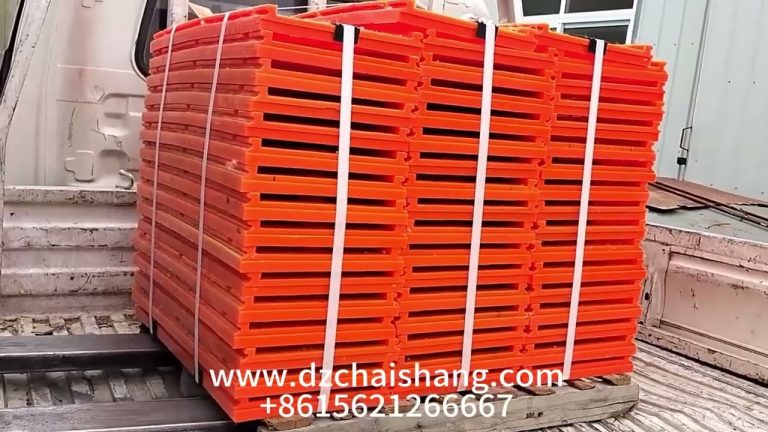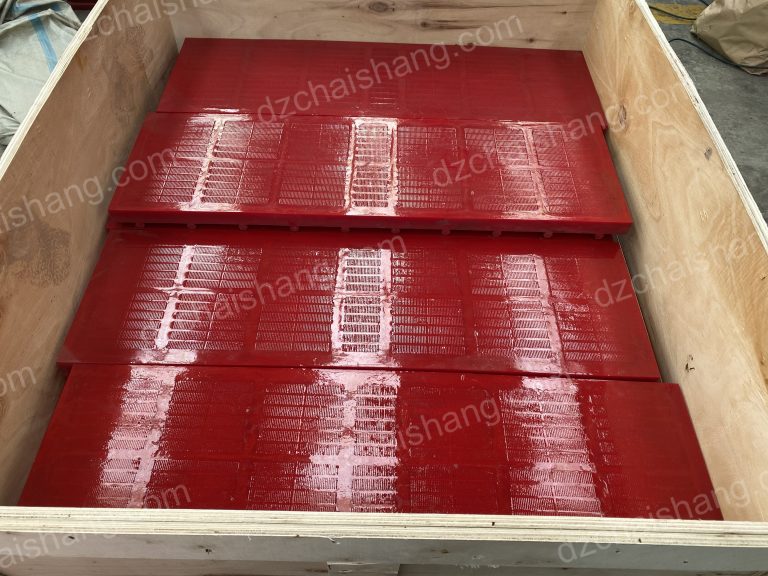

How Do You Choose the Right Flip Flow Polyurethane Screens for Coal Screening?
Struggling with wet, sticky coal clogging your <a href="/tag/screens" target="_blank"><strong>screens</strong></a>? Production halts and constant cleaning are costing you time and money. This common problem needs a real, effective solution.
To choose the right <a href="/tag/flip-flow" target="_blank"><strong>Flip Flow</strong></a> <a href="/tag/polyurethane-screen" target="_blank"><strong><a href="/tag/polyurethane" target="_blank"><strong>polyurethane</strong></a> <a href="/tag/screen" target="_blank"><strong>screen</strong></a></strong></a>, focus on the aperture size that matches your coal specifications and the screen's elasticity. High elasticity is the most important factor for dislodging wet, sticky material and preventing costly blockages and downtime in your operation.[^1]

I've been in the mineral processing industry for over two decades, and if there's one thing that gives plant managers headaches, it's screening difficult materials. Wet coal is at the top of that list. The right equipment choice isn't just a minor upgrade; it's the difference between a smooth, profitable operation and one that's constantly fighting fires. We have to look beyond just the price tag and understand the technology that solves the real problem on the ground. To do that, we need to dig into why this issue happens in the first place and how the right screen provides the perfect solution.
Why is Material Moisture a Game-Changer in Coal Screening?
Wet coal sticks to everything, turning your screening deck into a solid, useless mess. This blinding effect stops production completely. For operators, it becomes a constant, frustrating battle.
High moisture content in coal causes fine particles to clump together and adhere to screen surfaces. This leads to screen "blinding," which results in poor separation efficiency and increased downtime for manual cleaning, directly impacting your plant's overall output and profitability.

In my experience, many operations underestimate the impact of just a few percentage points of extra moisture. When coal is dry, particles bounce freely on the screen surface. They either fall through the openings or move along to the oversize discharge. It's a simple, efficient process. But once water is introduced, everything changes. Water creates surface tension, acting like a sticky glue between the fine coal particles and the <a href="/tag/screen-media" target="_blank"><strong>screen media</strong></a> itself.[^2] I remember visiting a site where they were trying to screen coal with about 15% moisture using standard <a href="/tag/wire-mesh" target="_blank"><strong>wire mesh</strong></a>. The entire deck was a solid cake of mud within an hour. Production stopped, and two workers had to spend the next hour with pressure washers and scrapers to clear it. This wasn't a one-time event; it was their daily routine. This is where the cost of a "cheaper" screen becomes incredibly expensive.
Here's a simple breakdown of the problems moisture causes:
| Problem | Description | Impact on Operation |
|---|---|---|
| Blinding/Pegging | Fine, wet particles get stuck in the screen openings. | Throughput drops to near zero. Valuable product is lost to the oversize stream. |
| Carryover | Fine particles stick to larger lumps and don't get screened out. | Final product quality is poor and may not meet customer specifications. |
| Increased Downtime | The screen needs to be stopped and manually cleaned. | Massive loss of production hours and increased labor costs. |
| Accelerated Wear | Caked material can cause uneven load and abrasion. | Shorter lifespan for screen media and potential damage to the machine. |
How Do <a href="/tag/flip-flow-screens" target="_blank"><strong>flip flow screens</strong></a> Actually Prevent Clogging?
You've probably heard that flip flow screens work wonders, but how do they do it? The mechanism isn't magic; it's just very smart engineering. Understanding this helps you pick the best option.
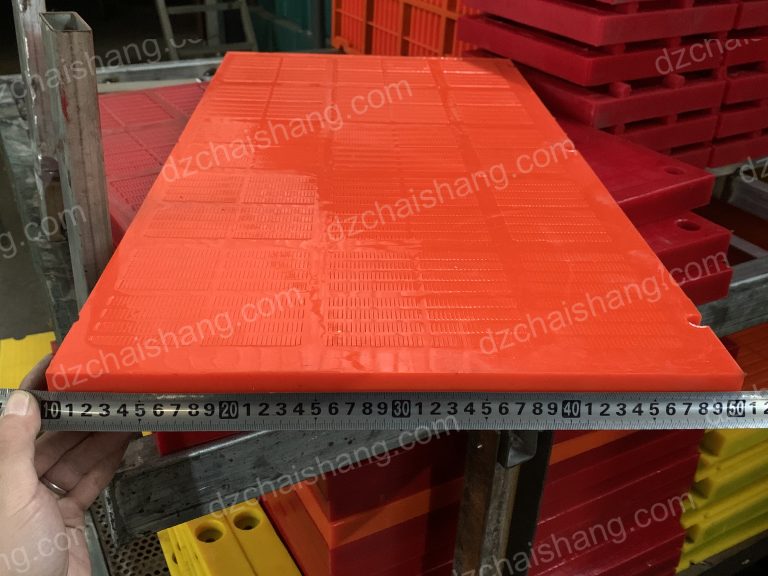
Flip flow screens use a unique dual-frame system.[^3] One frame is fixed to the machine, while the other moves in opposition. This causes the flexible <a href="/tag/polyurethane-screen-mats" target="_blank"><strong>polyurethane screen mats</strong></a> between them to violently expand and contract, preventing any wet, sticky material from building up.

The secret is the massive acceleration the screen mats achieve. A standard <a href="/tag/vibrating-screen" target="_blank"><strong>vibrating screen</strong></a> might generate 3-5 Gs of force. A high-quality flip flow screen can impart up to 50 Gs of force onto the material.[^4] Think of it like this: if you have something sticky on your hands, you can't just shake them gently to get it off. You have to clap them together or flick your fingers hard. That's exactly what a flip flow screen does. The <a href="/tag/polyurethane-panels" target="_blank"><strong>Polyurethane Panels</strong></a> are stretched and then allowed to snap back into position hundreds of times per minute. This powerful trampoline effect throws the material up off the screen surface. The sticky, near-size particles that would normally wedge themselves into the openings have no chance to settle. They are constantly in motion, which keeps the apertures clear and the screening process going. I once helped a client switch from a high-frequency screen to a flip flow screen for a particularly difficult fine coal application. Their downtime for screen cleaning went from twice per shift to once per week for routine inspection. The return on investment was realized in less than six months.
What Key Specifications Should You Check Before Buying?
Buying a new screen without checking the detailed specifications is a huge gamble. You might end up with something that just doesn't do the job you need it to do.
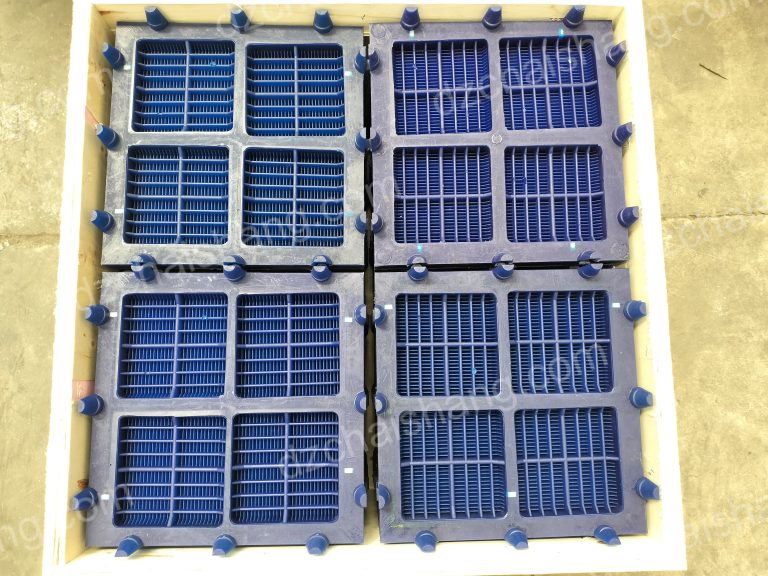
Before buying, you must check the aperture size and shape, the <a href="/tag/polyurethane-material" target="_blank"><strong>polyurethane material</strong></a> hardness (Shore A), the panel thickness, and the fixing system.[^5] These must match your coal type, feed rate, and existing machine for optimal performance.

Getting these details right is critical. It’s not about finding a generic panel that fits; it’s about engineering a solution for your specific material. I always work through a checklist with my clients to make sure we cover all the bases. For example, a harder polyurethane might last longer against abrasion, but it won't be flexible enough to create the strong "flip" needed for very sticky materials. It's a balancing act. You need a supplier who understands these trade-offs and can guide you to the right configuration. Don't just send a purchase order for a "flip flow screen." Have a conversation, provide data about your material, and ask questions. A good supplier will welcome this and help you dial in the perfect specs.
Here is a table I use to guide this discussion:
| Specification | Why It Matters for Wet Coal | My Recommendation |
|---|---|---|
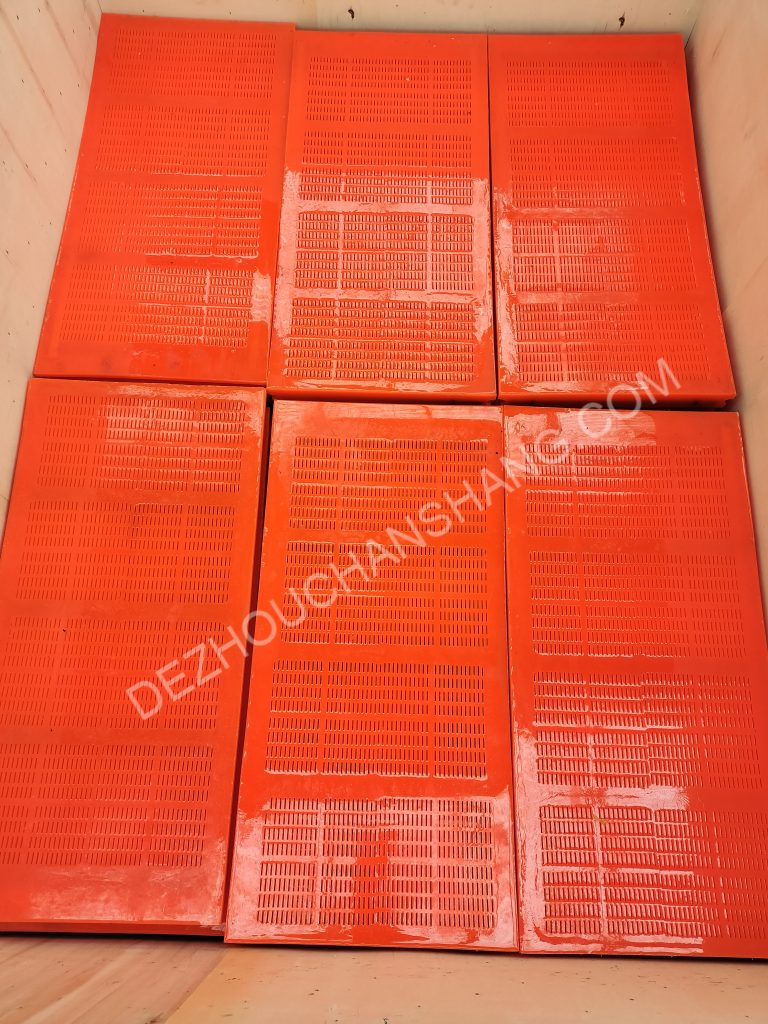
| Aperture Size & Shape | Must be precise for separation but designed to resist clogging. | Square openings are standard, but consider slotted or tapered openings for very difficult materials to help particles pass through.[^6] |
| Material Hardness | This determines the panel's flexibility and wear life. | For sticky coal, a softer durometer (e.g., 75-85 Shore A) provides the best flexing action. A harder material might be needed for highly abrasive coal. |
| Panel Thickness | A thicker panel is more durable but less flexible. | Find the sweet spot. Thinner panels (e.g., 4-6mm) are often better for the finest, stickiest coal as they flex more aggressively. |
| Fixing System | Must be secure but also allow for quick panel changes. | Pin-and-sleeve or bolt-down systems are common. Ensure it's compatible with your machine and that it doesn't create ledges where material can build up. |
Does the Polyurethane Grade Impact Screen Lifespan?
Yes, absolutely. Not all polyurethane is created equal. Choosing a cheap, low-grade material can lead to premature failure and more downtime, completely wiping out any initial savings you thought you made.
The specific grade of polyurethane directly affects wear resistance, elasticity, and its ability to resist hydrolysis (damage from water). A high-quality, ether-based polyurethane made for mining applications will significantly outlast a generic, cheaper ester-based grade.

This is one of the most important lessons I've learned. Polyurethane chemistry is complex. The two main types are ester-based and ether-based. For wet applications like coal screening, you should almost always insist on ether-based polyurethane. It has far superior resistance to hydrolysis, meaning it won't break down and become brittle when constantly exposed to water. Ester-based PU is cheaper but is susceptible to water damage, especially in warm, humid conditions. I saw a case where a sand and gravel plant bought ester-based panels because they were 20% cheaper. They failed in just four months. The ether-based panels they replaced them with were still running strong over a year later. Beyond the base chemistry, reputable manufacturers add special additives to improve abrasion resistance and UV stability. Asking your supplier what type of polyurethane they use is not an overly technical question; it's a fundamental one. A good supplier will be proud to tell you about the quality of their materials.
Conclusion
Choosing the right flip flow screen means looking past the price. Focus on your material's moisture, demand high-elasticity panels, and dial in the key specifications. This will boost efficiency and cut downtime.
[^1]: "Load Capacity and Stiffness Characteristics of Screen ...", https://stacks.cdc.gov/view/cdc/9061. High elasticity in screen materials is supported as a critical factor for handling wet, sticky coal in mineral processing, as it enhances material dislodging and prevents clogging. Evidence role: mechanism; source type: research. Supports: High elasticity is the most important factor for dislodging wet, sticky material and preventing costly blockages and downtime in your operation.. [^2]: "Surface chemistry of respirable coal mine dust and its ...", https://etda.libraries.psu.edu/catalog/19270sph5676. Surface tension caused by water is a documented factor in the adhesion of fine coal particles to screen media. Evidence role: mechanism; source type: research. Supports: Water creates surface tension, acting like a sticky glue between the fine coal particles and the screen media itself.. [^3]: "Flip-Flow Screen from SPALECK | 100% for your material", https://www.spaleck-us.com/screening-machines/flip-flow-screening-machine/. Flip flow screens utilize a dual-frame system to create opposing movements, which is a documented engineering solution for preventing material buildup. Evidence role: mechanism; source type: education. Supports: Flip flow screens use a unique dual-frame system.. [^4]: "Flip-Flow Screen from SPALECK | 100% for your material", https://www.spaleck-us.com/screening-machines/flip-flow-screening-machine/. High-quality flip flow screens are capable of generating up to 50 Gs of force, as documented in technical specifications and industry reports. Evidence role: statistic; source type: institution. Supports: A high-quality flip flow screen can impart up to 50 Gs of force onto the material.. [^5]: "Is polyurethane hard or soft?", https://www.tsxscreen.com/blog/is-polyurethane-hard-or-soft.html. Key specifications such as aperture size, material hardness, panel thickness, and fixing systems are critical for optimizing coal screening performance, as outlined in industry guidelines. Evidence role: general_support; source type: education. Supports: Before buying, you must check the aperture size and shape, the polyurethane material hardness (Shore A), the panel thickness, and the fixing system.. [^6]: "Roof Screening for Underground Coal Mines", https://stacks.cdc.gov/view/cdc/9464/cdc_9464_DS1.pdf. Slotted and tapered openings are recommended for challenging materials to improve particle passage, as supported by screening design guidelines. Evidence role: general_support; source type: education. Supports: Square openings are standard, but consider slotted or tapered openings for very difficult materials to help particles pass through..