
How Do You Handle Customers Who Only Care About Price?
Tired of buyers choosing the cheapest option? It's frustrating when your quality is ignored for a low price. But you can learn to attract customers who see your true value.
To handle price-only customers, first, qualify them early to see if they are a fit. Then, clearly communicate your value beyond price, like longer product life and lower maintenance costs. If they still only want the lowest price, it's often best to let them go.

In my years of manufacturing <a href="/tag/mining" target="_blank"><strong>mining</strong></a> parts, I've met countless buyers. Many, like the smart traders I work with, are looking for real value. But a few are purely focused on the lowest number on the invoice. It's a reality of global trade, and I've seen it time and time again. But this doesn't mean you have to compete in a race to the bottom. In fact, understanding this mindset is the key to building a stronger, more profitable business. Let's break down how to deal with this situation, so it doesn't drain your time and energy.
Should You Even Try to Sell to Price-Focused Buyers?
Spending hours on quotes only to be undercut is exhausting. It wastes your team's time and energy, and you start to wonder if it's even worth it. But the solution isn't to ignore them, it's to qualify them quickly.
You should only engage price-focused buyers if you have a clear, low-touch process for them. This protects your sales team's time for more valuable, long-term partners. For most quality-focused businesses, it's better to focus on customers who appreciate value over the absolute lowest price.

I learned a long time ago that the real cost of chasing a price-only buyer isn't just the lost sale. The real cost is the time you can never get back. Your best engineer might spend a day analyzing a drawing for a buyer who was never serious. Your sales manager might spend a week negotiating, only to lose to a competitor offering a product that will fail in six months. This is a massive opportunity cost. That time could have been spent developing a new solution for a loyal partner or improving service for a high-value account.
The Cost of Chasing Cheap
The problem with price-only buyers is that the relationship often starts and ends with the transaction. They don't value your expertise, your R&D, or your after-sales support. This creates a few big problems:
- No Loyalty: They will leave you for a one-cent difference.
- High Service Cost: They often complain the most, despite paying the least.
- Brand Damage[^1]: Being known as the "cheap option" can damage your reputation with serious buyers.
A Strategy for Qualification
To avoid this trap, we developed a simple qualification process[^2]. We teach our sales team to ask the right questions early. Instead of starting with price, we start with their problem. We ask things like, "What issues are you facing with your current <a href="/tag/screen-panels" target="_blank"><strong><a href="/tag/screen" target="_blank"><strong>screen</strong></a> panels</strong></a>?" or "What is the expected service life you need for this application?" Their answers tell us everything. If they can only talk about price and have no interest in performance, we know they are probably not a good fit for a long-term partnership. We might offer them a standard product with a firm price, but we won't invest hours in customization. This simple filter saves us countless hours and lets us focus on customers who want to build something great together.
How Can You Show Value That Justifies a Higher Price?
Your product is clearly better, but the buyer just sees a higher price. It's hard when they don't see the long-term savings you offer. You have to learn how to show them the money.
Show value by focusing on Total Cost of Ownership (TCO), not just the purchase price. Use case studies, data, and clear examples to prove how your product reduces downtime, maintenance, and replacement costs over time. Frame your quality as a direct investment in their operational efficiency.

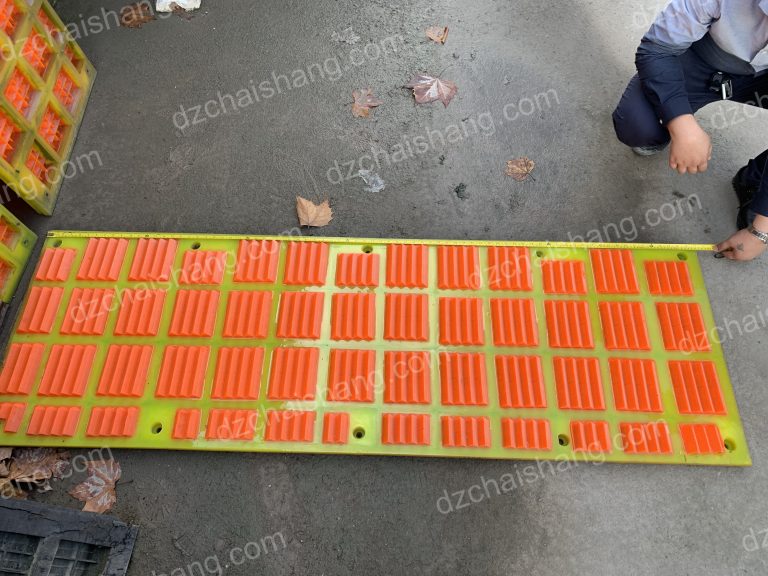
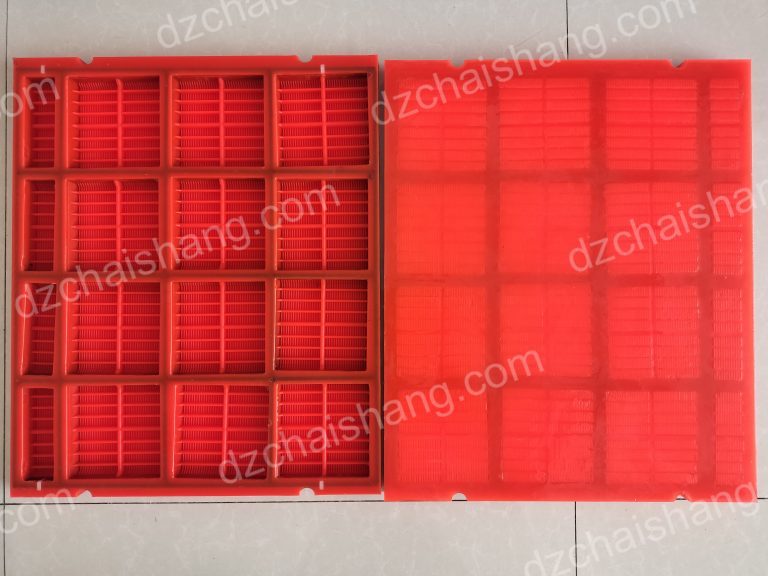
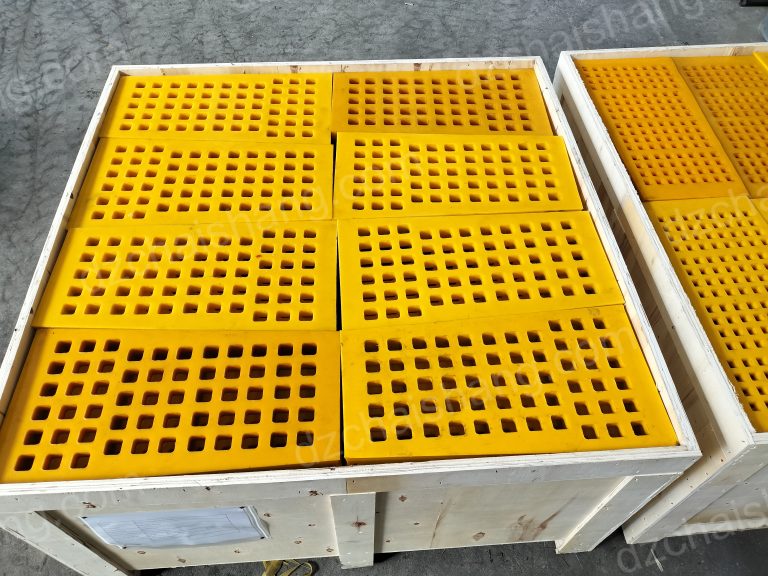
You can't just say your product is "high quality." That word is used by everyone and means nothing. You have to prove it with numbers. The language of business is money, so you need to speak that language. I had a potential customer from a large mine in Chile who was very hesitant about the price of our <a href="/tag/polyurethane-dewatering-screen" target="_blank"><strong><a href="/tag/polyurethane" target="_blank"><strong>polyurethane</strong></a> <a href="/tag/dewatering-screen" target="_blank"><strong>dewatering screen</strong></a></strong></a> panels. They were used to buying cheaper woven wire <a href="/tag/screens" target="_blank"><strong>screens</strong></a> every three months like clockwork. Our panels were several times the price.
Calculating Total Cost of Ownership (TCO)
Instead of arguing about the initial price, I asked my team to prepare a simple TCO comparison. We broke it down like this:
| Cost Factor | Their Current Wire Screen (1 Year) | Our <a href="/tag/pu-screen-panel" target="_blank"><strong>pu <a href="/tag/screen-panel" target="_blank"><strong>screen panel</strong></a></strong></a> (1 Year) |
|---|---|---|
| Purchase Price | $500 x 4 (replaced quarterly) = $2,000 | $3,000 x 1 = $3,000 |
| Installation Labor | 4 hours x 4 times = 16 hours | 4 hours x 1 time = 4 hours |
| Downtime Cost | 4 hours x 4 shutdowns = 16 hours of lost production | 4 hours x 1 shutdown = 4 hours of lost production |
| Total Cost | High (Price + Labor + Lost Production) | Lower (Price + Labor + Lost Production) |
Turning Features into Benefits
When the mine's procurement manager saw this, the conversation changed. He wasn't looking at a $3,000 panel anymore. He was looking at saving 12 hours of downtime and 12 hours of maintenance labor over a year. The feature, "high wear-resistance polyurethane," became a clear financial benefit: "lower operational cost and increased production uptime." He realized that buying the cheap screen was actually the most expensive choice he could make. They placed a trial order, and today they are one of our most loyal partners. They don't ask about price first anymore; they ask about how our new innovations can save them even more money.
When Is It Right to Just Say No and Walk Away?
You feel that pressure to give a discount just to close the sale. But deep down, you know it devalues your product, hurts your margins, and sets a bad precedent for the future. Learning to say "no" is a sign of a strong, confident business.
It's right to walk away when a customer shows no interest in quality, demands prices below your sustainable margin, or is disrespectful to your team. Protecting your brand's integrity and your team's morale is more valuable than winning a single, unprofitable order.

Saying "no" is one of the hardest but most important skills in business. It's not about being arrogant; it's about respecting the value of what you have built. Your price reflects your investment in quality materials, skilled workers, and a reliable process. Discounting it heavily tells the customer that it wasn't worth that much in the first place. This is a dangerous game to play. I've learned over the years that the customers you fight hardest to win with discounts are often the ones that cause the most problems later.
Red Flags to Watch For
You need to learn to spot the warning signs. For me, the red flags are clear:
- The Only Question is Price: If a buyer's first, last, and only question is "What's your cheapest price?", they are not your partner. They are just a transaction.
- Unfair Comparisons: They compare your custom-engineered flotation rotor, designed for their specific mineral slurry, to a generic, off-the-shelf part from a trading company. They don't see or value the difference.
- Demands for Unreasonable Terms: They ask for deep discounts on a small trial order and promise "huge volume later." This rarely happens. They are just trying to get a low price now.
- Disrespect for Your Time: They constantly ask for revisions and new information but never move forward. They are using you for free consulting.
The Power of "No"
When we see these red flags, our team is empowered to politely decline. We say something like, "Based on your requirements, it seems like our solutions may not be the best fit for your goals right now. We specialize in long-term performance, and it sounds like upfront cost is your primary focus." It is a calm, professional way of walking away. Sometimes, this makes the buyer pause. They realize we are not desperate and that we are serious about our quality. But even if they just go away, it's a victory. It leaves us with more time and energy to serve the customers who truly appreciate what we do.
Conclusion
Stop chasing every customer who contacts you. Instead, focus on clearly communicating your true value to the right partners, and never be afraid to walk away from those who only see the price.
[^1]: "The Impact of Brand Positioning on Pricing Strategy", https://louispretorius.com/branding/brand-messaging/brand-positioning-pricing-strategy/. Being perceived as a low-cost provider can negatively impact brand reputation among quality-focused buyers, as supported by brand management studies. Evidence role: mechanism; source type: education. Supports: Being perceived as a low-cost provider can negatively impact brand reputation among quality-focused buyers.. Scope note: The extent of brand damage depends on market positioning and customer demographics. [^2]: "What is Sales Qualification?", https://dealhub.io/glossary/sales-qualification/. A structured qualification process helps sales teams identify high-value customers efficiently, as supported by sales strategy frameworks. Evidence role: mechanism; source type: education. Supports: A structured qualification process helps sales teams identify high-value customers efficiently..