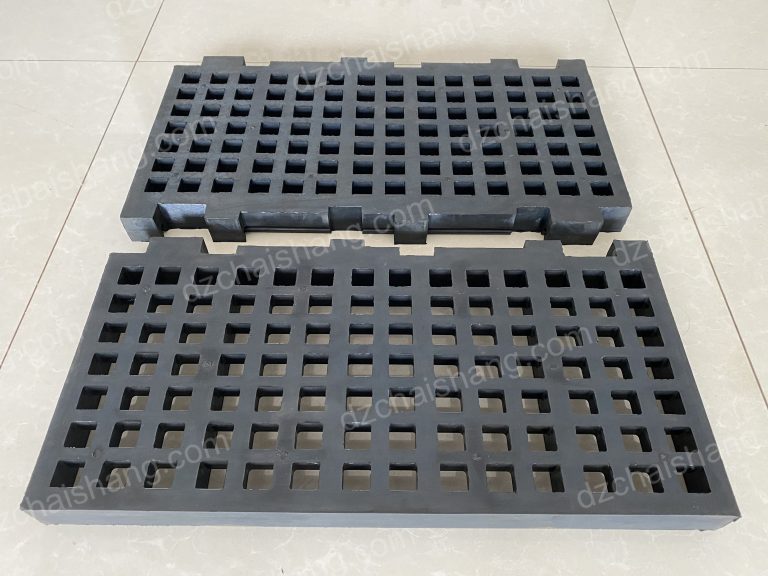

Why Do Your Rotors and Stators Wear Out With Your Best Screen Panels?
You buy top-tier dual-hardness <a href="/tag/screen-panels" target="_blank"><strong><a href="/tag/screen" target="_blank"><strong>screen</strong></a> panels</strong></a>, but your overall efficiency still drops. The hidden problem is often your rotors and stators wearing out, creating a cycle of costly downtime.
The primary reason rotors and stators wear out alongside screen panels[^1] is because they are part of one interconnected system, exposed to the same abrasive mineral slurry. As rotors and stators degrade, screening efficiency plummets, which in turn alters the material flow and accelerates wear on the panels.

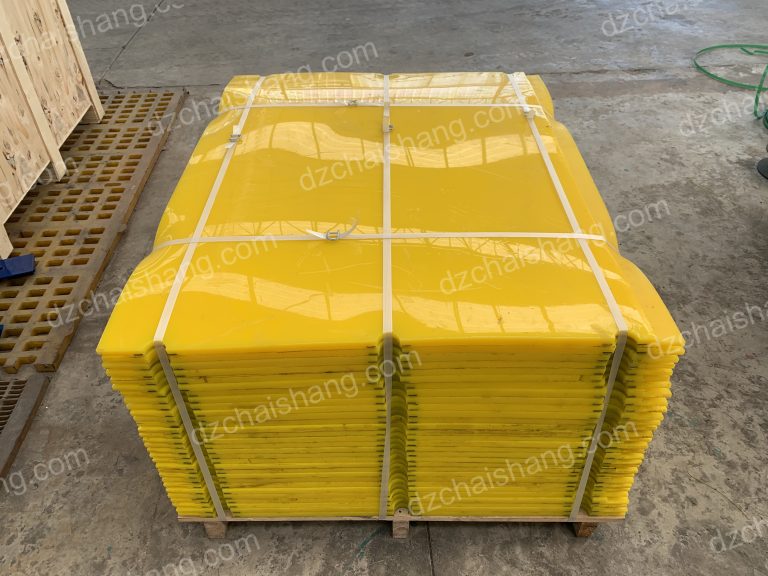
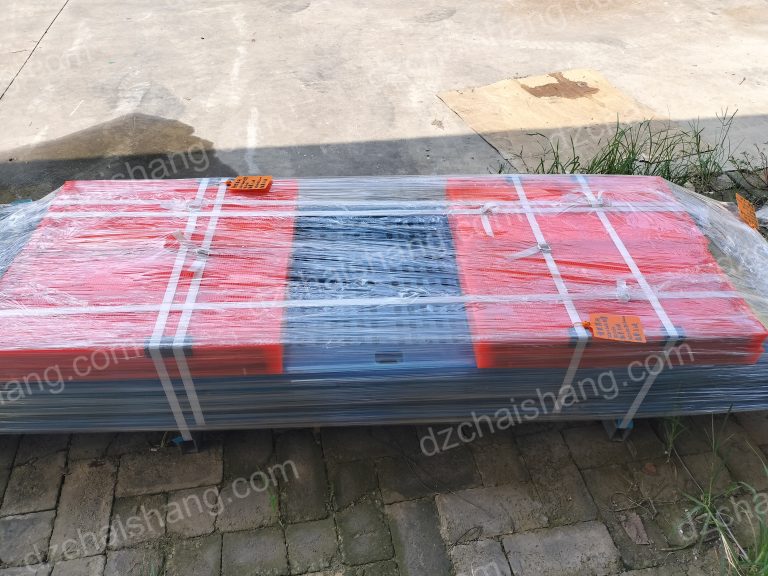
I was talking with a client recently about dual-hardness <a href="/tag/polyurethane-screen-panels" target="_blank"><strong>polyurethane screen panels</strong></a>. Our conversation quickly turned to the wear on their flotation machine's rotors and stators. It made me think about something that's very easy to overlook. The screen panels and the rotor-stator assembly are not separate components; they are a single system where each part's condition directly affects the other. When you understand this connection, you stop fighting individual component failures and start managing the health of your entire processing circuit. This shift in perspective is the first step toward truly reducing your maintenance costs and maximizing your plant's uptime. Let's look at why this happens.
How Do Slurry Characteristics Impact Both <a href="/tag/screens" target="_blank"><strong>screens</strong></a> and Rotors?
Your slurry looks normal, but your wear parts are failing way too fast. The specific makeup of your ore and the slurry's flow could be silently destroying your most critical equipment.
Slurry characteristics, especially particle sharpness, size, and flow velocity, are the main causes of wear. Sharp, hard particles abrade surfaces, while high velocity increases impact forces. This combination rapidly degrades both the screen panels and the internal components of the flotation machine, like the rotor and stator.

When we analyze wear, the slurry itself is the number one suspect. I always tell my clients to think of the slurry as sandpaper, and the speed at which it moves is the pressure you apply. The more abrasive the "sandpaper" and the higher the "pressure," the faster everything wears down. For example, sharp, angular ore particles will cut into polyurethane and rubber surfaces much more aggressively than smooth, round particles. This affects your dual-hardness screen panel, even though it's designed with a hard, wear-resistant surface. That same abrasive slurry is also being churned inside the flotation cell, constantly grinding against the rotor and stator. The higher the slurry density and velocity, the more intense this grinding action becomes. This creates a direct link: the very thing that wears down your screens is also wearing down your flotation parts.
| Slurry Factor | Effect on Rotor & Stator | Effect on Screen Panel |
|---|---|---|
| Particle Abrasiveness | High wear on leading edges, reducing pumping efficiency. | Cuts and grooves on the screen surface, leading to premature failure. |
| Particle Size | Large particles can cause high-impact damage and chipping. | Can cause pegging or blinding, and high impact can tear the panel. |
| Slurry Velocity | Increased turbulence and abrasive force, accelerating wear rate. | Higher impact force, especially at the feed end of the screen. |
| Slurry Density | Higher density means more particles hitting the surfaces per second. | Increased load and abrasive action across the entire panel surface. |
This is why looking at wear parts in isolation is a mistake. A tough slurry will attack the entire system.
Are Your Machine's Operational Settings Destroying Your Wear Parts?
You think you've optimized your slurry, but maintenance costs are still through the roof. The machine settings you rely on every day could be the actual cause of this excessive wear.
Yes, operational settings are a major factor. High rotational speed (RPM) in the flotation cell dramatically increases the abrasive forces on the rotor and stator. Likewise, an incorrect assembly clearance can create damaging turbulence or direct impact[^2], shortening the life of these parts and affecting downstream screen performance.

After we consider the slurry, the next place I look is the machine's operating parameters. These settings are often a balancing act between performance and equipment life. For instance, the rotational speed of the rotor is critical. You need enough speed to properly suspend solids and disperse air for effective flotation. However, turning the speed up too high is like putting your foot on the gas. The energy in the cell increases exponentially, and so does the wear rate on the rotor and stator. The particles in the slurry hit the components with much greater force.
Another crucial but often overlooked factor is the assembly clearance—the gap between the rotor and stator.
- Too Small: If the gap is too narrow, you risk direct mechanical friction or even collision, which causes catastrophic failure almost immediately.
- Too Large: If the gap is too wide, the pumping action becomes inefficient. This creates poor slurry circulation and turbulence, which can cause localized wear spots. It also means the flotation process is less effective, potentially sending poorly conditioned material to the screens.
Finally, we can't forget the slurry's pH. Highly acidic or alkaline environments can chemically attack the polyurethane or rubber materials, making them brittle and weak. A chemically weakened part will then wear out much faster from physical abrasion.
How Can You Create a Matched System to Reduce Overall Costs?
Replacing parts one by one feels like a losing game. You fix the screen, then the rotor fails. There has to be a better way than constantly reacting to breakdowns and downtime.
Build a matched system by choosing wear parts—screen panels, rotors, and stators—that are all engineered for your specific site conditions. This holistic strategy ensures components wear at a balanced rate, extending the system's life, simplifying maintenance, and lowering your total cost of ownership.

The solution is to stop thinking about individual components and start thinking about a complete, matched wear parts system. I've seen clients transform their maintenance budgets with this approach. Instead of a chaotic cycle of failures, they get predictability. This involves a few key steps. First, you must conduct a thorough analysis of your specific on-site conditions[^3]. This means documenting everything: the type of ore, its sharpness, particle size distribution, slurry pH, and the exact operational settings of your machines (like RPM).
With this data, you can work with a supplier to select a matched set of wear parts. For example, if you have a highly abrasive ore, you need a rotor and stator made from a high-chrome alloy or a specialized ceramic composite[^4] that can withstand it. At the same time, you need a dual-hardness polyurethane screen panel with a very hard top layer[^5]. The key is that the expected wear life of these components should be similar. This alignment changes everything. You move from reactive maintenance to planned maintenance, where you can schedule a single shutdown to replace the entire wear package.
| Approach | The "Component" Approach | The "System" Approach |
|---|---|---|
| Selection | Buy the "best" screen panel or the "cheapest" rotor. | Select all parts based on a single analysis of site conditions. |
| Wear Rate | Unbalanced. A strong part causes a weaker part to fail faster. | Balanced. All components are designed to wear out at a similar, predictable rate. |
| Maintenance | Reactive and unpredictable. Frequent, unplanned downtime. | Proactive and planned. Fewer, scheduled shutdowns for complete system swaps. |
| Cost | High total cost due to frequent labor, lost production, and inventory. | Lower total cost of ownership (TCO) due to increased uptime and efficiency. |
This system-based strategy is the most effective way I know to get control over your wear costs and improve your plant's reliability.
Conclusion
Stop buying individual parts and start building a matched system. Treating your screen panels, rotors, and stators as one integrated unit is the key to reducing wear and saving money.
[^1]: "<a href="/tag/screening-media" target="_blank"><strong>screening media</strong></a> panel systems", https://www.metso.com/products-and-services/parts/screening-media/screening-media-panel-systems/. This source explains how rotors and stators are exposed to abrasive mineral slurry, leading to wear that impacts screening efficiency. Evidence role: mechanism; source type: research. Supports: Rotors and stators wear out alongside screen panels because they are part of an interconnected system exposed to abrasive mineral slurry.. [^2]: "Flotation Cell Design", https://www.911metallurgist.com/blog/flotation-cell-design/. This source explains how improper assembly clearance in flotation machines leads to turbulence and mechanical impact, causing wear. Evidence role: mechanism; source type: research. Supports: Incorrect assembly clearance in flotation machines can create damaging turbulence or direct impact, leading to wear.. [^3]: "Industrial Wear Parts: The Technical Guide to Material ...", https://rssparts.co.uk/industrial-wear-parts-the-technical-guide-to-material-processing-longevity/. This source outlines the importance of site-specific analysis for selecting wear parts in mineral processing. Evidence role: expert_consensus; source type: education. Supports: Conducting a thorough analysis of on-site conditions is essential for selecting appropriate wear parts in mineral processing.. [^4]: "Effects of erosion and abrasion on resin-matrix ceramic ...", https://pubmed.ncbi.nlm.nih.gov/38105518/. This source provides information on the wear resistance of high-chrome alloys and ceramic composites in abrasive environments. Evidence role: mechanism; source type: research. Supports: High-chrome alloys and ceramic composites offer superior wear resistance in abrasive environments.. [^5]: "The Integrated dual-hardness plate-type screen panel", http://en.whtongge.cn/product/316.html. This source explains the design and wear resistance of dual-hardness polyurethane screen panels. Evidence role: mechanism; source type: research. Supports: Dual-hardness polyurethane screen panels with hard top layers are designed for improved wear resistance..